

Wholesale Jewellery Manufacturers: How to find reliable suppliers?
Time: 2024-01-20 10:16:52
Author: Lonceen
How to start looking for jewelry manufacturers wholesale suppliers? Key metrics:
How to start looking for jewelry manufacturers wholesale suppliers? Key metrics: Reliability, quality and productivity Research and screen potential suppliers interview and evaluate suppliers to establish long-term cooperation
Article content
How to start looking for jewelry manufacturers wholesale suppliers?
Identify your needs: First, you need to know exactly what you want. This includes the type of jewelry you want to make, materials and budget, etc. This will help you better communicate with suppliers and find the right supplier that meets your needs. Ask people in the industry: Talking to people in the industry is a good way to find suppliers. They may be able to provide information about the suppliers they use, including their reputation and the quality of their products. Search on the Internet: Use a search engine to search on the Internet for jewelry manufacturers wholesale suppliers. You can search by using keywords such as "jewellery manufacturer", "wholesale supplier", "jewellery supplier" etc. Browse their website to learn about their products and services. Attending trade shows: Attending trade shows is a great opportunity to make contact with suppliers and build business contacts. At the exhibition, you can see the display of various suppliers and have the opportunity to communicate with them face to face. Evaluate the reputation and quality of suppliers: Before selecting a supplier, it is crucial to evaluate their reputation and the quality of their products. You can read their customer reviews and feedback, or ask them to provide samples for testing. Contact suppliers: Once you've found some potential suppliers, talk to them further via email, phone, or by visiting their facilities in person. Ask for details about their products and services, as well as their prices and delivery terms, etc. Contract: After identifying a suitable supplier, sign a contract with them. The contract should include the responsibilities and rights of both parties, price and payment terms, delivery time and other important terms. Build good relationships: Once you have established a relationship with your suppliers, strive to maintain good communication and cooperation with them. This helps to ensure that you have access to high quality products and timely delivery. These steps will help you get started looking for wholesale suppliers for jewelry manufacturers. Remember to take the time to research and evaluate vendors to make sure you find the right one that meets your needs
Key metrics: Reliability, quality and capacity
Reliability: - Reliability is the ability of a product or service to continue to function properly under certain conditions. For businesses, reliability is a key factor in maintaining customer satisfaction and trust. Methods for improving reliability include the use of high-quality materials and components, rigorous quality control procedures, and regular maintenance and overhaul. Quality: - Quality refers to the characteristics and characteristics of a product or service that meet or exceed customer expectations. High quality products and services can win customer loyalty and reputation. - Methods for ensuring quality include setting quality standards and indicators, conducting quality inspections and tests, training employees to improve their skills, and continuous improvement of products and services. Capacity: - Capacity refers to the ability of a business to produce products or services within a given period of time. Increasing production capacity can increase the market competitiveness and revenue of enterprises. Ways to increase production capacity include optimizing production processes, improving equipment efficiency, increasing production lines or scaling up production, and providing staff training and technical support. These are some important points about the key indicators: reliability, quality and capacity. Companies should incorporate these metrics into their business strategies and operations to ensure the success of their products and services.
Research and screen potential suppliers
Identify needs: First, you need to clearly identify your needs and requirements. This includes product or service specifications, quantities, price ranges, etc. This will help you better find a supplier that meets your needs. Conduct market research: It is very important to conduct market research before you start looking for suppliers. You can use online resources, professional publications, industry reports, etc., to understand the vendors in the market and the state of competition. This will help you get more comprehensive supplier information. Identify supplier criteria: When screening suppliers, you need to identify some criteria to assess their capabilities and reliability. This may include the supplier's experience, financial strength, production capacity, quality control, etc. Depending on your needs, you can develop a supplier evaluation form to better compare different suppliers. Find suppliers: Based on your needs and market research, start looking for potential suppliers. You can find suppliers by searching the Internet, attending industry fairs, and communicating with industry insiders. At the same time, you can also ask other businesses or peers for referrals. Initial screening: Once you have found some potential suppliers, an initial screening is necessary. You can conduct a preliminary evaluation of the supplier according to the previously determined supplier criteria. This may include viewing their website, product samples, customer reviews, etc. Communicate with suppliers: During the selection process, it is very important to communicate with suppliers. You can communicate with them via email, phone or in person to learn about their capabilities, delivery times, prices, etc. At the same time, you can also ask their customer references to find out about the quality and reliability of their service. Conduct final evaluation: Based on initial screening and communication with suppliers, a final evaluation is necessary. You can compare the evaluation results of all suppliers and choose the supplier that best meets your needs. Remember, finding potential suppliers is an important process that takes time and patience. Through these steps, you can better find reliable suppliers and build long-term relationships.
Conduct interviews and evaluations with suppliers
Identify needs: Before the interview, we need to clearly identify our needs and expectations. This includes the specific features, specifications, quantities and delivery times of the product or service. Identifying requirements helps us to better assess whether a supplier's capabilities meet our requirements. Know the supplier's background: Before the interview, we should conduct some background checks on the supplier. This includes things like their company history, size, experience, and reputation. Knowing a supplier's background can help us determine if they are a reliable partner. Ask questions: During the interview, we should ask some key questions to understand the competence and reliability of the supplier. These issues can relate to the quality control of their products or services, the guarantee of delivery time, after-sales service, etc. By asking questions, we can better understand how suppliers operate. Evaluate the supplier's competence: After the interview, we should evaluate the supplier's competence. This can include their production capacity, resource availability, technical capabilities, etc. Assessing the capabilities of our suppliers helps us determine if they are capable of meeting our needs. Compare different suppliers: After evaluating suppliers, we should compare the capabilities of different suppliers. This can include aspects such as their price, delivery time, quality control, etc. By comparison, we can choose the supplier that best suits our needs. Consider risks and potential problems: We should consider possible risks and potential problems before making the final choice of supplier. This can include the financial stability of suppliers, delivery risks, cooperation contracts, etc. Considering risks and potential problems can help us make more informed decisions. These are important things to consider when interviewing and evaluating suppliers. These steps help us ensure that we choose the right supplier to meet our needs and needs
The key to building long-term relationships
Building trust: Building trust is the cornerstone of a long-term relationship. A relationship of trust is built through communication, sharing information and mutual support. Ensure that both parties are able to keep their commitments and respect each other's needs and expectations. Open communication: Good communication is the key to maintaining long-term relationships. Ensure that both parties are able to communicate views, needs, and issues candidly. Keep communication frequent and transparent through regular meetings, phone calls and emails. Common Goals: Identifying shared goals and values is an important step in building a long-term partnership. Both sides should work together to achieve common goals and ensure that each other's values are aligned. Shared goals can promote cooperation and collaboration, and strengthen the bond between the two parties. Conflict resolution: In a partnership, conflicts and disagreements are inevitable. It is important to learn to deal with conflict in a way that solves problems, rather than allowing it to escalate into disputes. Find common solutions through open and respectful dialogue and ensure that both parties can accept and abide by them. Delivering value: Ensuring that your partner gets value from the collaboration is key to building a long-term relationship. Provide high quality products or services and ensure that the needs and expectations of our partners are met. Make partners feel valued and cared for by providing value-added services or other benefits. Continuous improvement: Continuous improvement is one of the key elements of maintaining a long-term relationship. Through continuous reflection and evaluation, identify opportunities for improvement and continuously improve the quality of the partnership. Learn and grow together with your partners to ensure that your relationships stay relevant. These are the key elements of building a long-term relationship, and when you are able to follow these principles, you will be able to build a solid and lasting partnership.
Related News
-

The Perfect Fusion of Handcraft and Machinery: Exploring Modern Small Jewelry Processing Techniques
-
Jewelry Customization: Start a Journey of Personalized Jewelry
-
Stainless Steel Jewelry Factory: The Beauty Of Craftsmanship
-
Stainless Steel Jewelry Factory: The Charm Of Precise Casting
-
The customization process and technology of stainless steel jewelry
-
The whole process of jewelry factory: from design drawings to to dazzling finished products
-
Choose a high-quality jewelry factory: ensure the best balance between quality and cost
-
The Rise of Custom Jewelry: How Can Jewelry Processing Factories Support Brand Personalization?

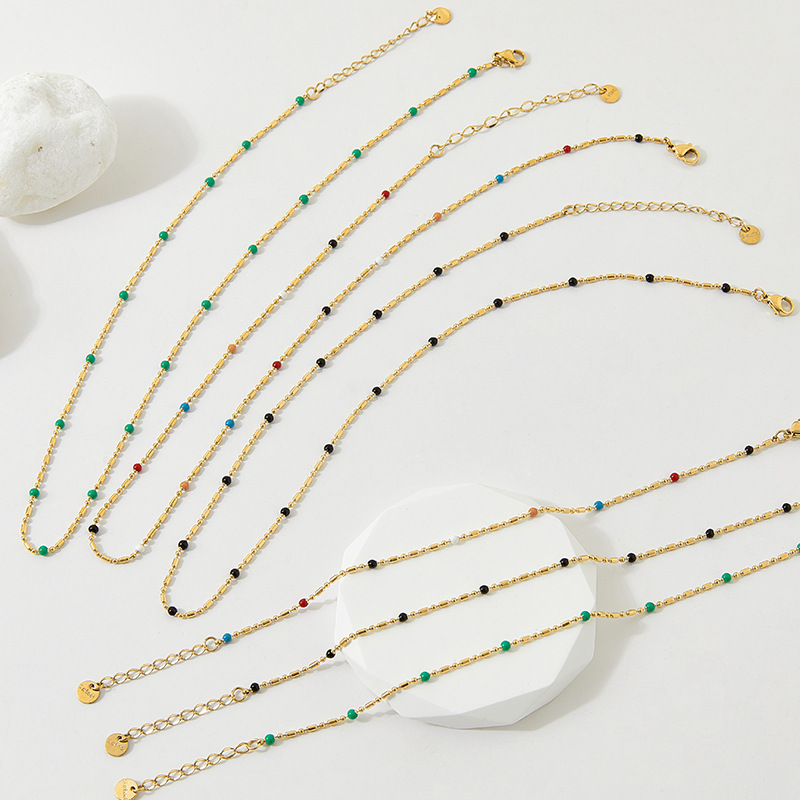
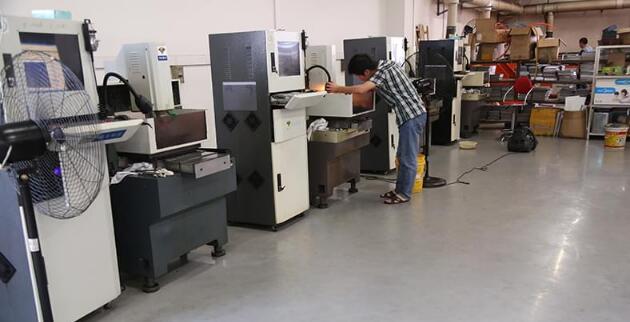


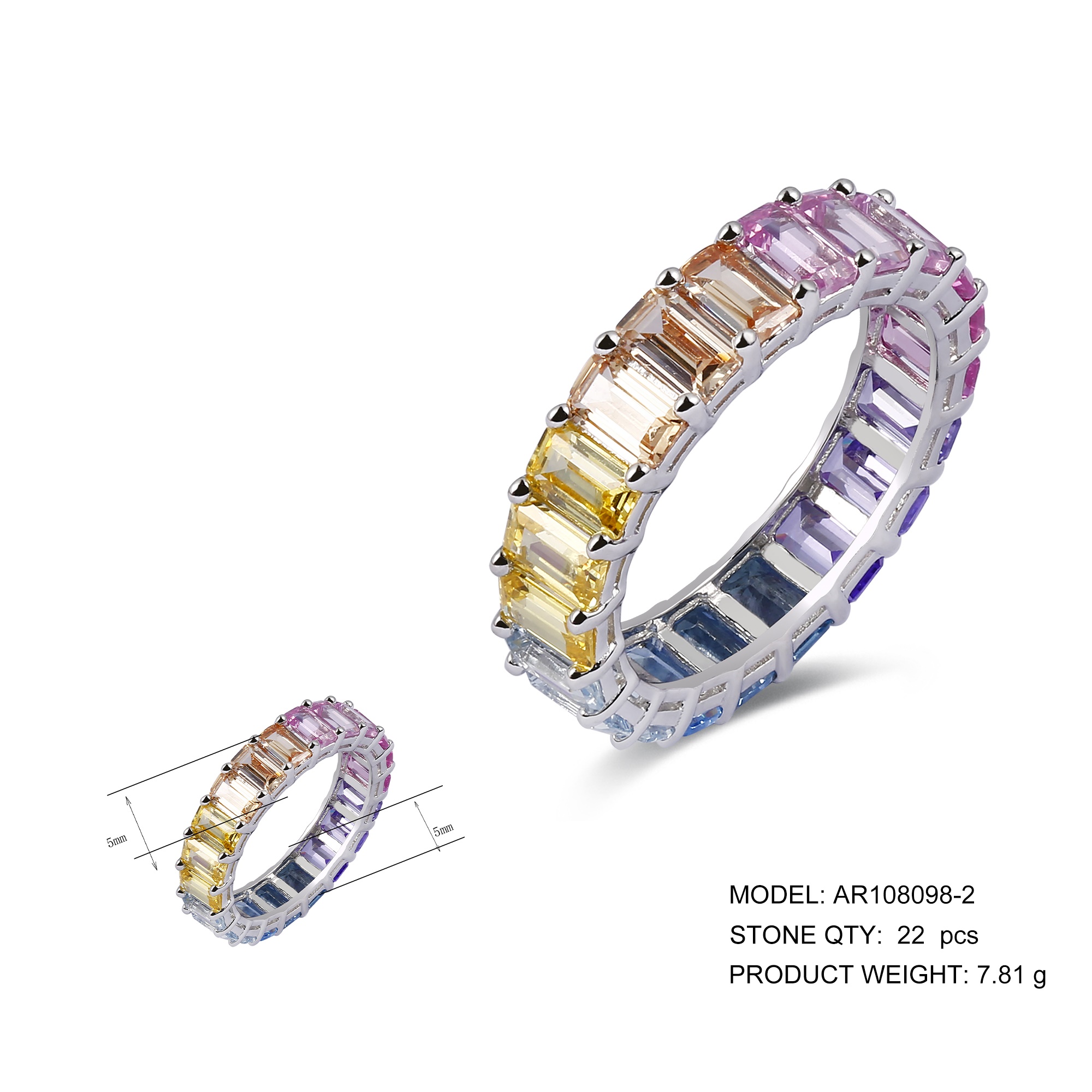
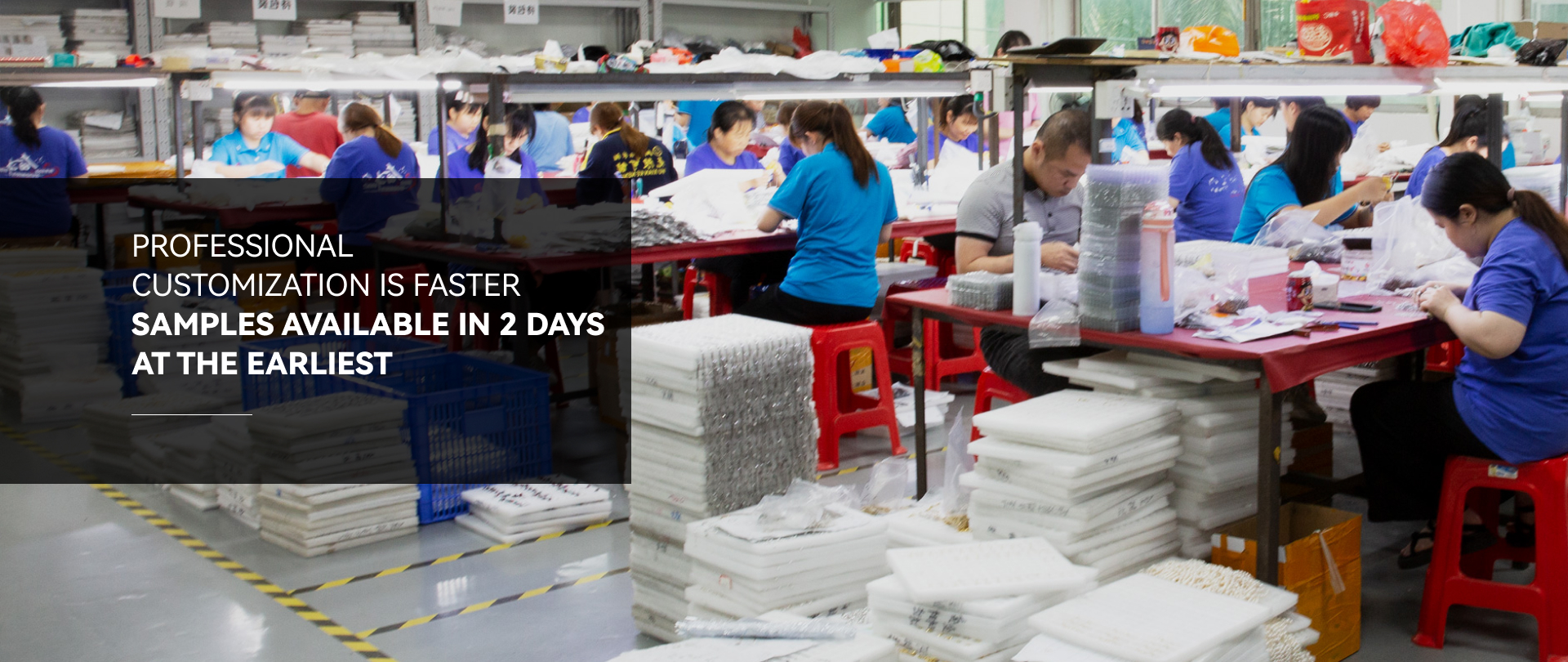

Lonceen has been deeply involved in the international market for more than ten years. It is a jewelry factory with stable scale, rich R&D and production experience and a complete supply chain system.
Get In Touch
Telephone:+86-13427800306
E-mail:taozi@lonceen.net
Factory Add: Building 3, No.4Huaide Dabei Road, Humen Town,
Dongguan, Guangdong, China
Office Add: Room 3603,Building 18, Dongjiang Star,Hongfu West Road,
Dongguan,Guangdong, China

Copyright © 2024 Dongguan Langcheng Jewelry Co., Ltd.
