

The customization process and technology of stainless steel jewelry
Time: 2024-08-24 10:39:38
Author: Lonceen
Stainless steel jewelry is increasingly favored in the market for its unique texture, durability, and modern aesthetic. Customizing stainless steel jewelry requires not only creativity and design sensibility but also advanced craftsmanship and technology. Here is an overview of the key processes and techniques commonly used in stainless steel jewelry customization.
1. Design and Modeling
1.1 Hand-Drawn Design:
- Designers often start by sketching their ideas by hand, translating concepts into visual forms.
- These sketches serve as the foundation of the design process and are also an important communication tool with clients.
1.2 3D Modeling:
- CAD (Computer-Aided Design) software is used for creating detailed 3D models.
- These models precisely depict every detail of the jewelry, facilitating the subsequent manufacturing and production process.
2. Precision Manufacturing
2.1 Laser Cutting:
- Laser cutting technology allows for high-precision and high-speed cutting.
- It is ideal for processing intricate shapes and patterns.
2.2 CNC Engraving:
- CNC (Computer Numerical Control) engraving technology is used for engraving fine patterns.
- This technology ensures the accuracy and consistency of the designs.
3. Surface Treatment
3.1 Polishing:
- Polishing gives the stainless steel surface a smooth, shiny finish, enhancing its visual appeal.
- Common polishing methods include mechanical polishing, chemical polishing, and electrolytic polishing.
3.2 Electroplating:
- Electroplating applies a thin layer of another metal onto the stainless steel surface, altering its appearance and properties.
- Popular electroplating techniques include gold plating, silver plating, and chrome plating.
3.3 Sandblasting:
- Sandblasting creates a matte finish, giving the jewelry a refined texture.
- This treatment is often used in designs that favor a modern, minimalist aesthetic.
4. Assembly and Quality Control
4.1 Precise Assembly:
- Complex jewelry designs may require the careful assembly of multiple components.
- During assembly, it is essential to ensure that all parts fit tightly together and that the overall structure is secure.
4.2 Strict Quality Inspection:
- Finished products undergo rigorous quality checks to ensure they meet the required standards.
- Inspections typically include checking dimensions, weight, surface smoothness, and structural integrity.
5. Personalization
5.1 Custom Engraving:
- Personalized text or patterns can be engraved on the jewelry according to customer preferences.
- Common engraving techniques include laser engraving and mechanical engraving.
5.2 Color Customization:
- Various surface treatment techniques can be used to offer a range of color options.
- This allows for personalization to meet different clients' color preferences.
6. Environmental and Sustainable Practices
6.1 Eco-Friendly Materials:
- Eco-friendly stainless steel materials are selected to minimize environmental impact.
- These materials are not only durable but also recyclable.
6.2 Energy-Efficient Processes:
- Energy-saving manufacturing processes are adopted to reduce energy consumption.
- For example, solar-powered equipment may be used in the production process.
Conclusion
Customizing stainless steel jewelry involves multiple stages, each requiring meticulous attention to detail and excellence in execution. Through continuous innovation and refinement, higher quality and more personalized jewelry products can be offered to customers. Moreover, emphasizing environmental and sustainable practices is a crucial direction for the future of the jewelry industry.
Related News
-

The Perfect Fusion of Handcraft and Machinery: Exploring Modern Small Jewelry Processing Techniques
-
Jewelry Customization: Start a Journey of Personalized Jewelry
-
Stainless Steel Jewelry Factory: The Beauty Of Craftsmanship
-
Stainless Steel Jewelry Factory: The Charm Of Precise Casting
-
The customization process and technology of stainless steel jewelry
-
The whole process of jewelry factory: from design drawings to to dazzling finished products
-
Choose a high-quality jewelry factory: ensure the best balance between quality and cost
-
The Rise of Custom Jewelry: How Can Jewelry Processing Factories Support Brand Personalization?
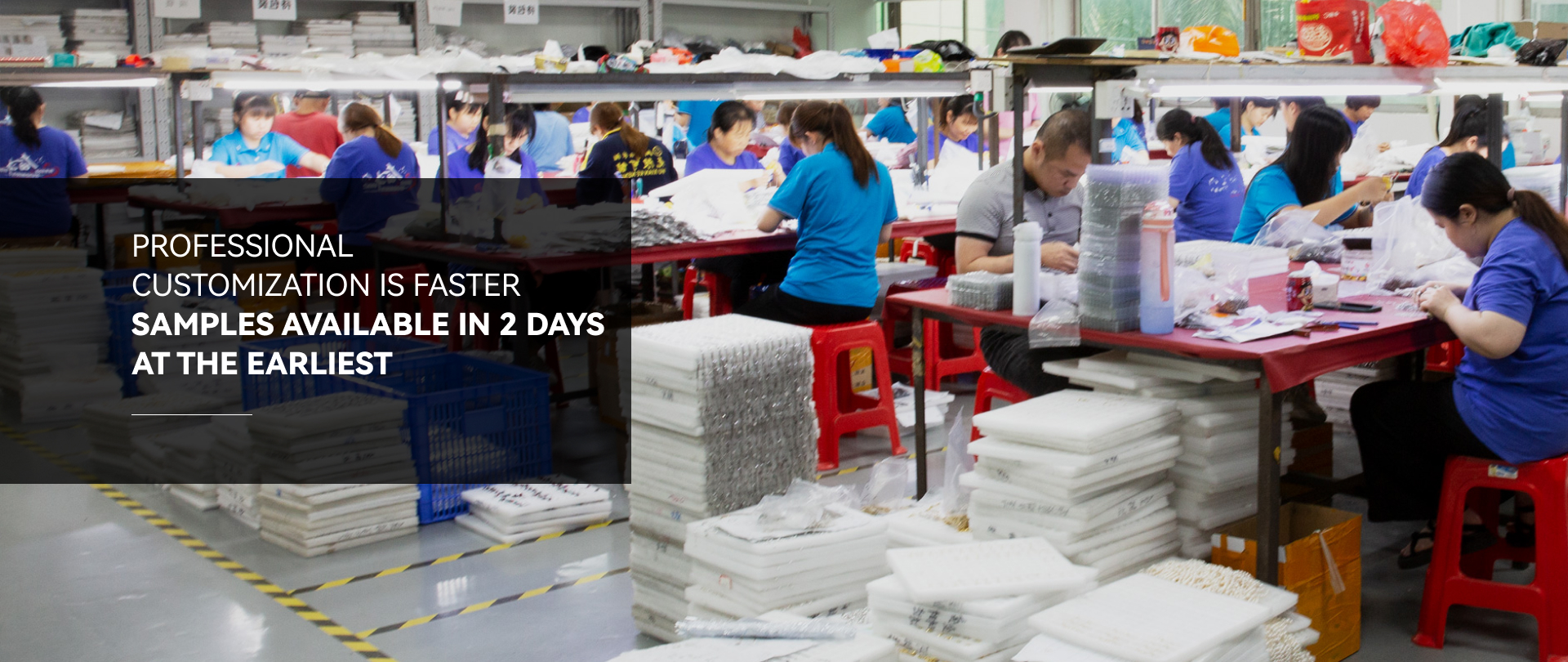

Lonceen has been deeply involved in the international market for more than ten years. It is a jewelry factory with stable scale, rich R&D and production experience and a complete supply chain system.
Get In Touch
Telephone:+86-13427800306
E-mail:taozi@lonceen.net
Factory Add: Building 3, No.4Huaide Dabei Road, Humen Town,
Dongguan, Guangdong, China
Office Add: Room 3603,Building 18, Dongjiang Star,Hongfu West Road,
Dongguan,Guangdong, China

Copyright © 2024 Dongguan Langcheng Jewelry Co., Ltd.
