

The whole process of jewelry factory: from design drawings to to dazzling finished products
Time: 2024-08-24 10:27:02
Author: Lonceen
Jewelry processing is a meticulous process that seamlessly blends art with craftsmanship. From the initial design sketches to the final sparkling product, every step demands exceptional skill and a rigorous approach. Here’s a detailed breakdown of this comprehensive workflow.
1. Design Sketches
The process begins with the design sketches, which serve as the foundation for the entire production journey. Designers use hand drawings or computer-aided design (CAD) software to transform their creative ideas into detailed design sketches. These sketches not only depict the appearance of the jewelry but also include critical information such as dimensions, materials, and technical requirements. The precision of these design sketches directly influences the accuracy and success of subsequent manufacturing steps.
2. Mold Making
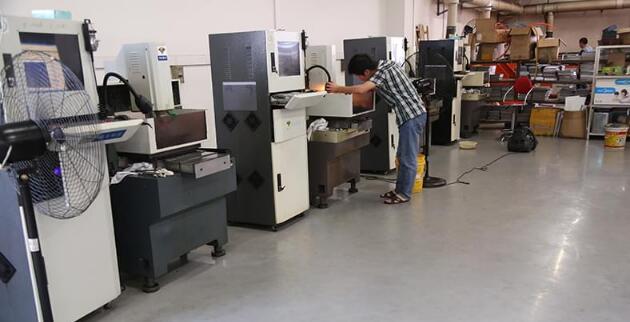
The next stage is mold making. Based on the design sketches, technicians use 3D printers or engraving machines to create wax or resin molds of the jewelry. These molds serve as the basis for the casting or injection molding processes that follow. The quality of the mold is crucial, as it directly impacts the intricacy and overall appearance of the final piece, making mold making a pivotal step in the workflow.
3. Casting or Injection Molding
Casting or injection molding is a critical phase where the mold is transformed into a tangible piece of jewelry. In the casting process, techniques such as lost-wax casting or centrifugal casting are typically used. Molten metal is poured into the mold and allowed to cool, forming the initial jewelry blank. In injection molding, thermoplastic materials are injected into the mold, cooled, and then processed further.
4. Finishing
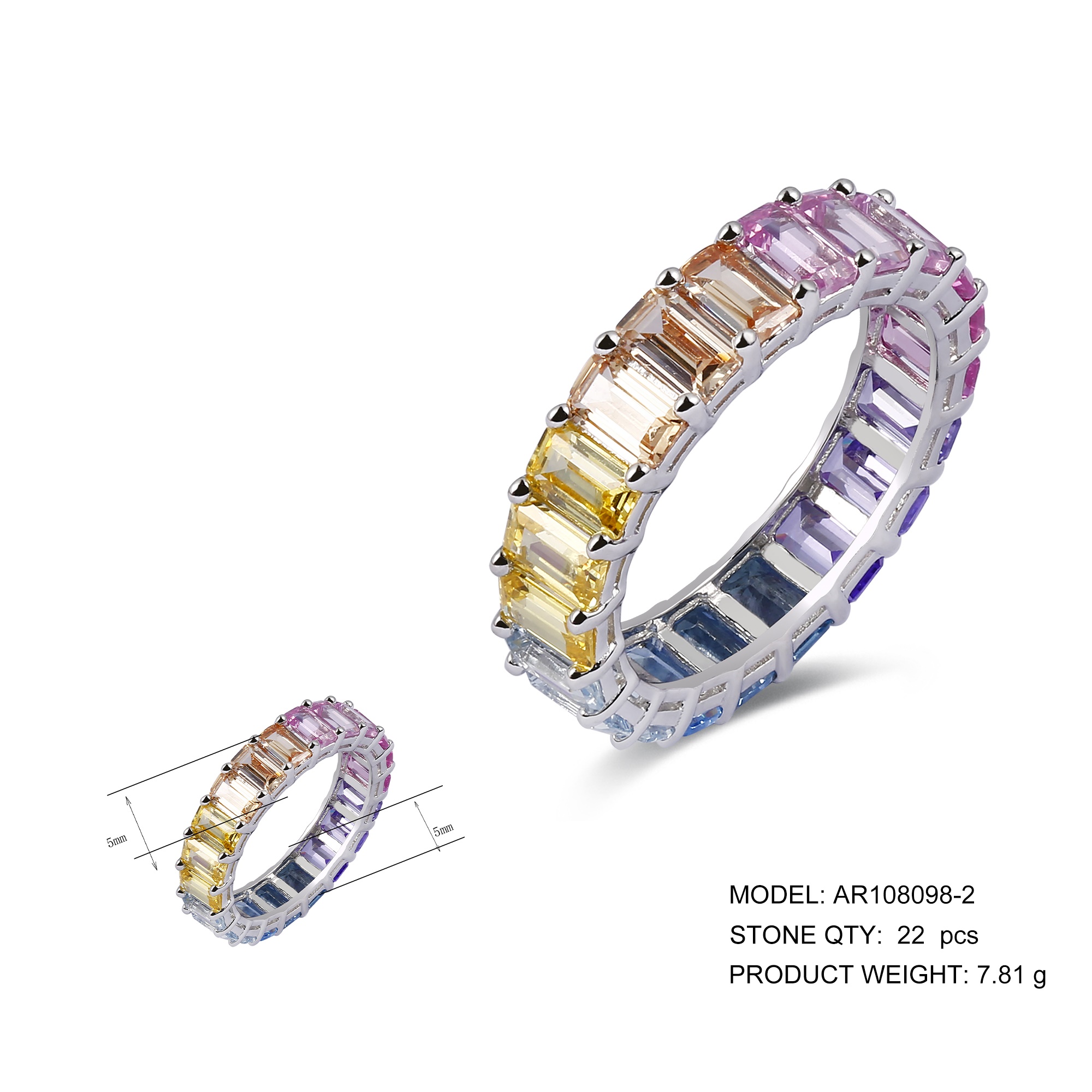
After the blank undergoes preliminary polishing and cleaning, it enters the finishing stage. Artisans use various tools and equipment to carefully polish, buff, and set stones in the jewelry. This stage requires not only technical expertise but also immense patience and attention to detail. Only through meticulous polishing and finishing can the jewelry achieve its brilliant luster.
5. Quality Inspection and Packaging
The final steps are quality inspection and packaging. Every piece of jewelry undergoes strict quality checks before leaving the factory to ensure it is free from any defects or flaws. Jewelry that passes inspection is then carefully packaged and sent to retail outlets, where it is ultimately showcased to consumers.
Conclusion
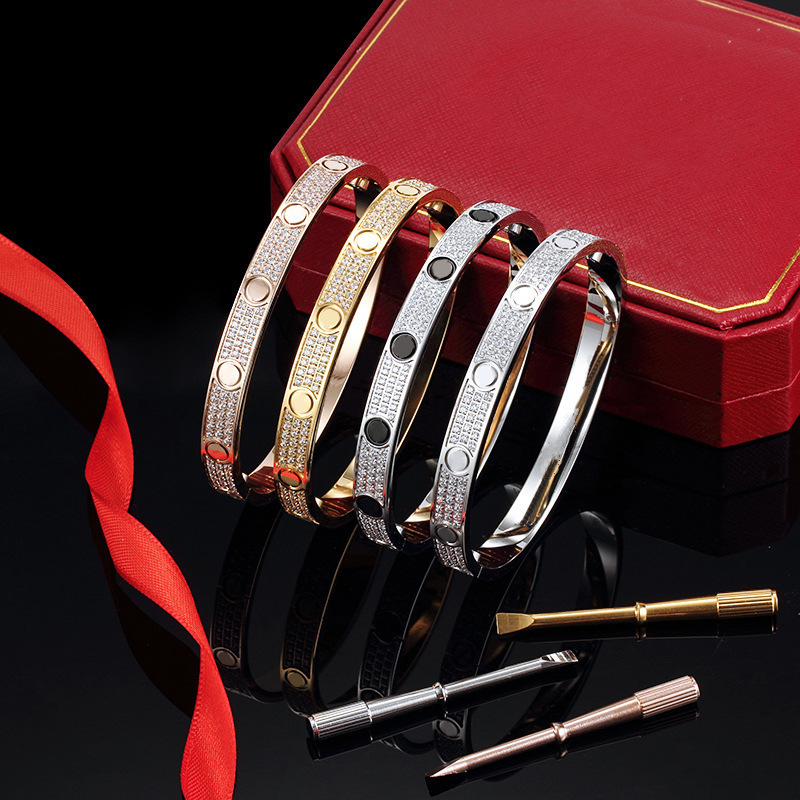
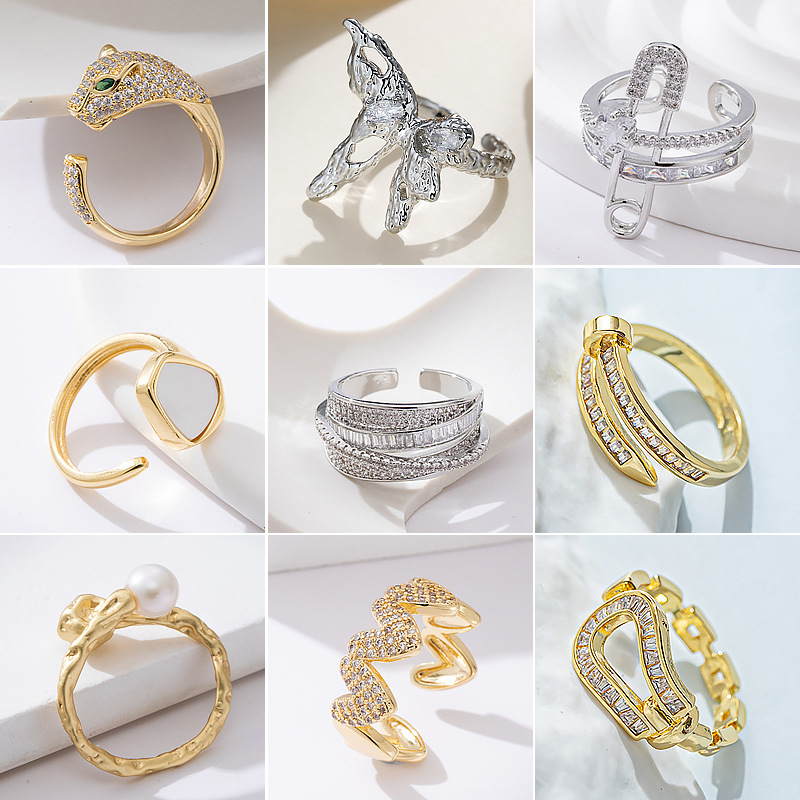
In summary, jewelry processing is a complex and intricate process where every stage demands high levels of professional skill and a disciplined approach. It is through these dedicated efforts that the beautiful visions captured in design sketches are transformed into the radiant pieces of jewelry that adorn wrists, necks, and fingers, bringing joy to countless wearers.
Related News
-

The Perfect Fusion of Handcraft and Machinery: Exploring Modern Small Jewelry Processing Techniques
-
Jewelry Customization: Start a Journey of Personalized Jewelry
-
Stainless Steel Jewelry Factory: The Beauty Of Craftsmanship
-
Stainless Steel Jewelry Factory: The Charm Of Precise Casting
-
The customization process and technology of stainless steel jewelry
-
The whole process of jewelry factory: from design drawings to to dazzling finished products
-
Choose a high-quality jewelry factory: ensure the best balance between quality and cost
-
The Rise of Custom Jewelry: How Can Jewelry Processing Factories Support Brand Personalization?
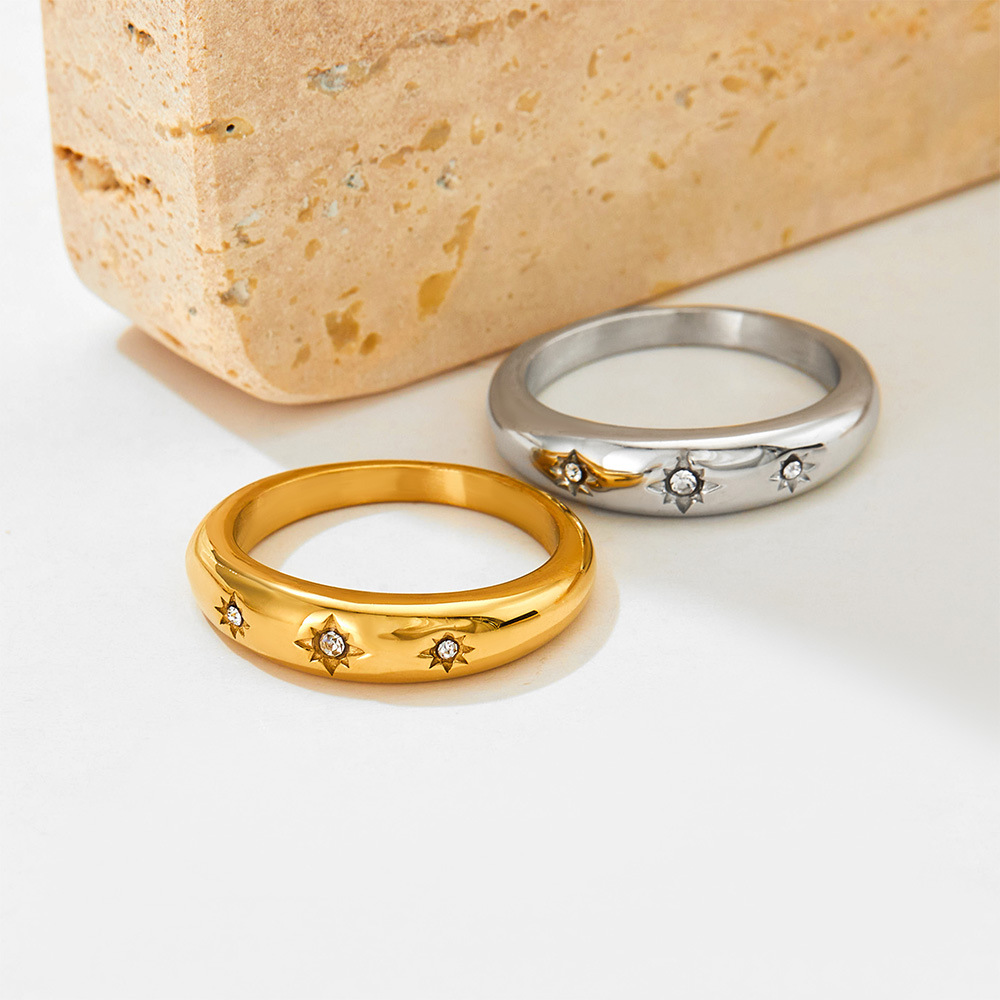
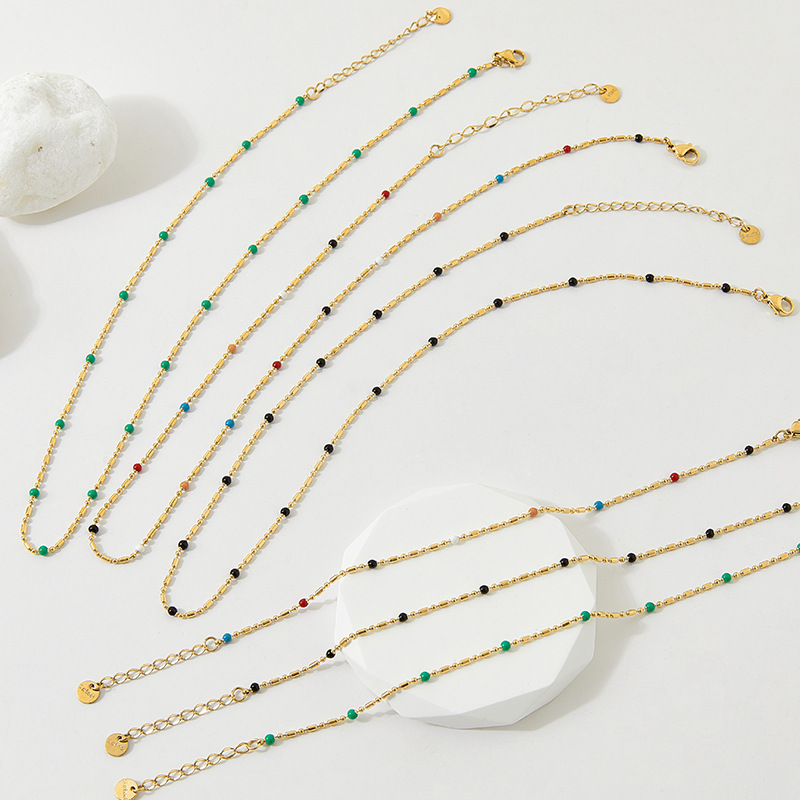
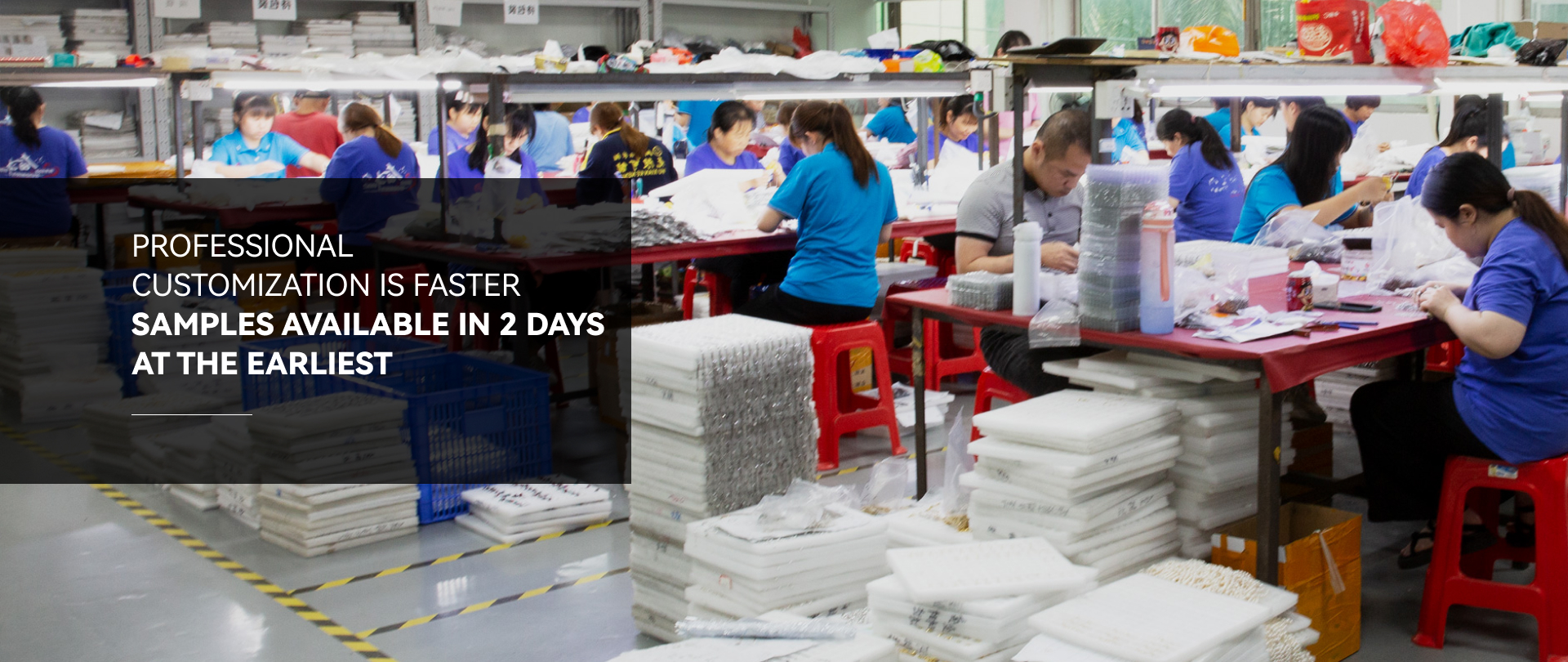

Lonceen has been deeply involved in the international market for more than ten years. It is a jewelry factory with stable scale, rich R&D and production experience and a complete supply chain system.
Get In Touch
Telephone:+86-13427800306
E-mail:taozi@lonceen.net
Factory Add: Building 3, No.4Huaide Dabei Road, Humen Town,
Dongguan, Guangdong, China
Office Add: Room 3603,Building 18, Dongjiang Star,Hongfu West Road,
Dongguan,Guangdong, China

Copyright © 2024 Dongguan Langcheng Jewelry Co., Ltd.
