

The Rise of Custom Jewelry: How Can Jewelry Processing Factories Support Brand Personalization?
Time: 2024-08-24 10:12:14
Author: Lonceen
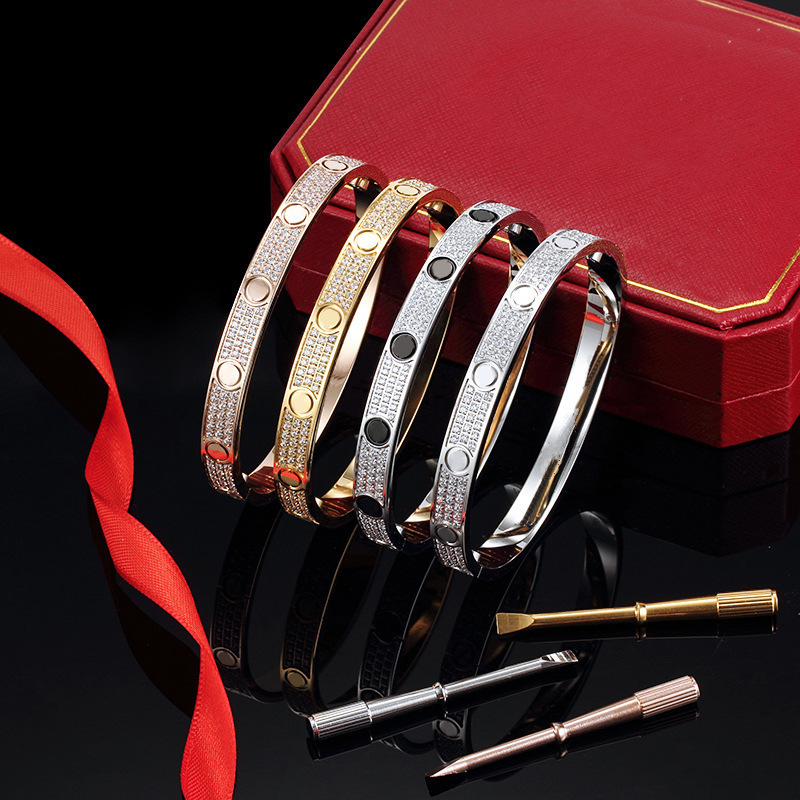
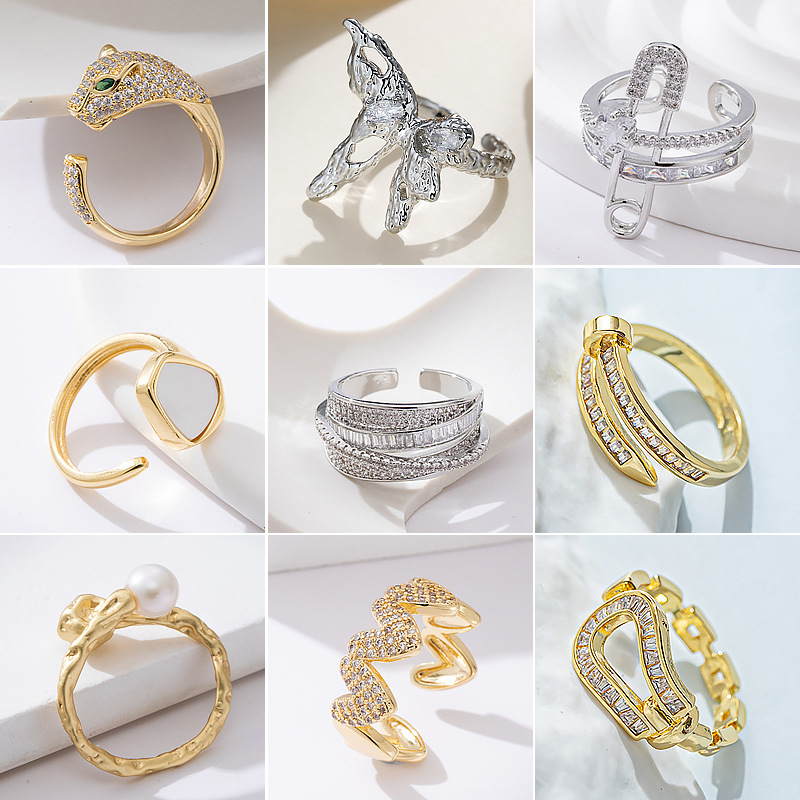
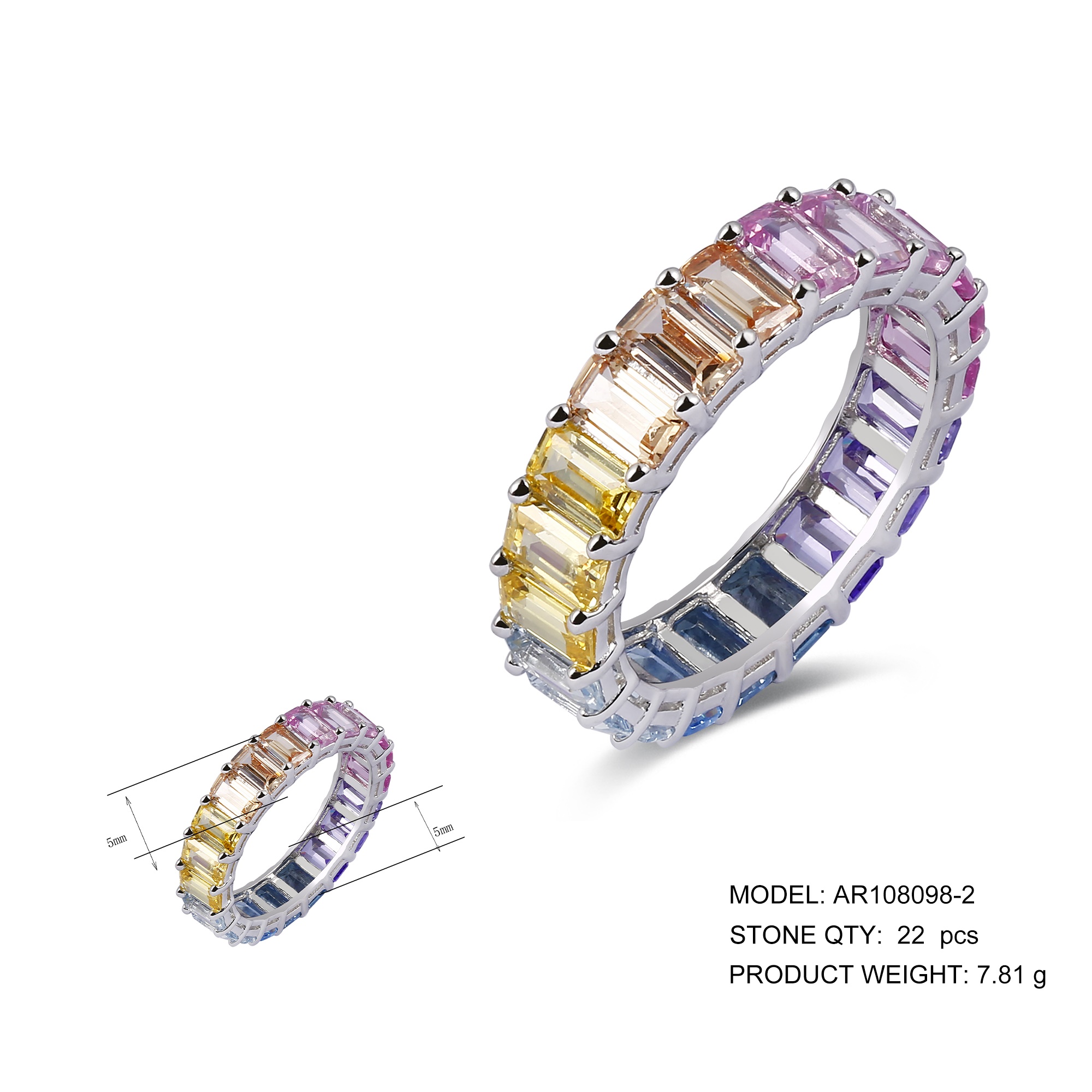
In recent years, the custom jewelry market has surged, with more consumers seeking unique, personalized pieces. In response to this trend, the focus has shifted to how jewelry processing factories can assist brands in meeting these personalization demands.
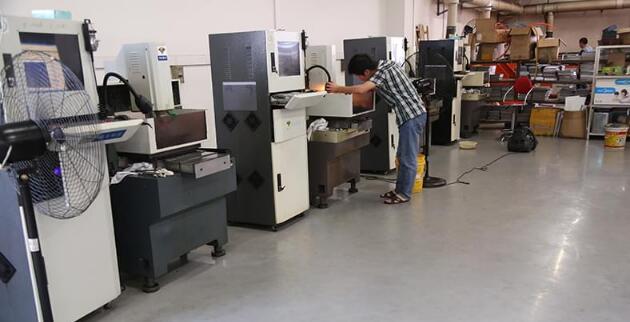
Firstly, jewelry processing factories have embraced technological innovation to offer diverse customization services. For instance, the application of 3D printing technology has made it easier and faster to realize complex designs, while laser engraving technology allows for personalized text and patterns on jewelry, fulfilling customers' customization needs. Additionally, factories continually develop new materials and techniques, providing brands with more design possibilities and creative flexibility.
Secondly, these factories emphasize close collaboration with brands, offering comprehensive support and services. Factories often establish dedicated design teams that work closely with brand designers to create personalized designs based on customer requirements. They also provide end-to-end services, from raw material procurement to final product delivery, ensuring that every custom order is completed on time and to a high standard.
Moreover, jewelry processing factories have implemented flexible manufacturing systems to enable efficient custom production. Traditional mass production models struggle to meet the demands of personalization, but flexible production systems can adapt production plans based on order requirements, catering to small-batch, multi-variety custom orders. This approach not only enhances production efficiency but also reduces resource waste and improves overall service quality.
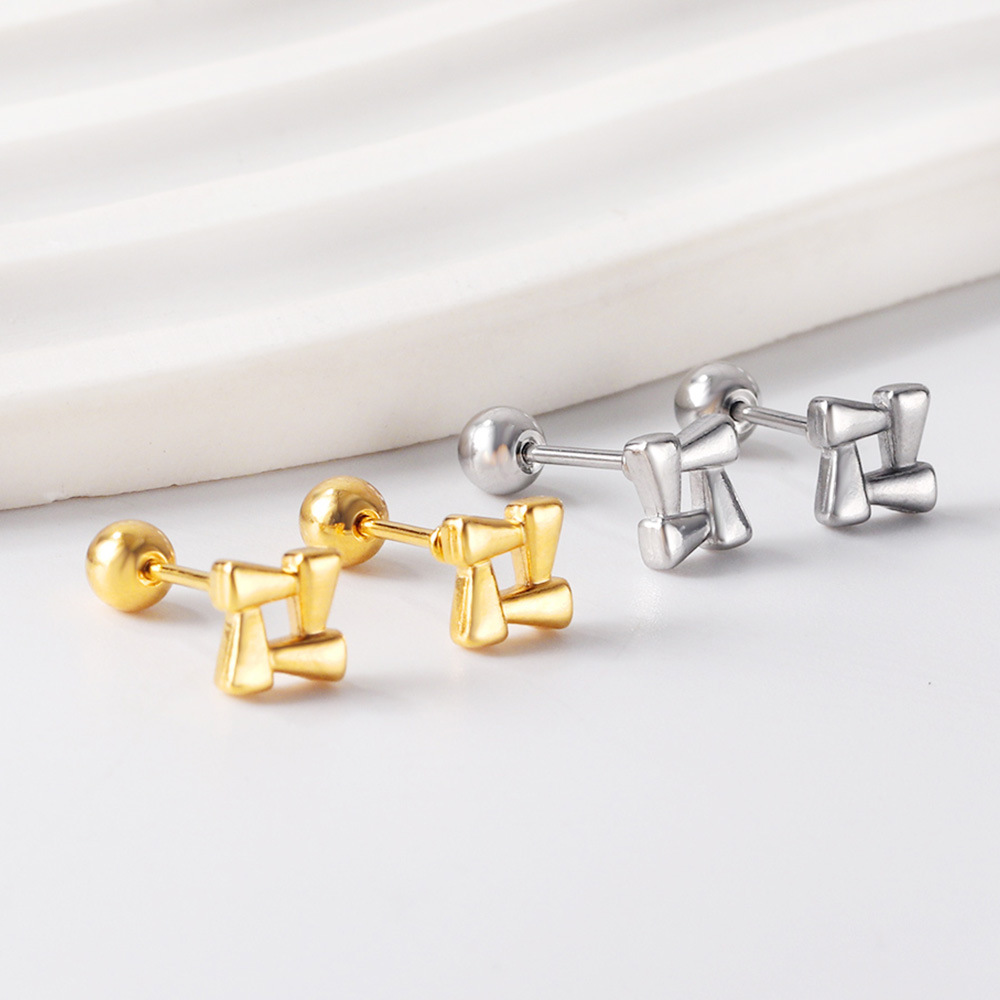
It is also worth noting that during the custom production process, jewelry processing factories place great emphasis on quality control and after-sales service. They typically establish rigorous quality management systems to conduct thorough inspections on each custom piece, ensuring that products meet the required standards. Furthermore, factories provide comprehensive after-sales services to promptly address any issues customers encounter, thereby enhancing customer satisfaction.
In summary, jewelry processing factories contribute to the growth of the custom jewelry market by leveraging technological innovation, collaboration, flexible production, and quality control to meet the personalization needs of brands. As technology advances and consumer demands continue to evolve, these factories will continue to uphold a commitment to innovation and service, offering more high-quality custom services to brands and consumers alike.
Related News
-

The Perfect Fusion of Handcraft and Machinery: Exploring Modern Small Jewelry Processing Techniques
-
Jewelry Customization: Start a Journey of Personalized Jewelry
-
Stainless Steel Jewelry Factory: The Beauty Of Craftsmanship
-
Stainless Steel Jewelry Factory: The Charm Of Precise Casting
-
The customization process and technology of stainless steel jewelry
-
The whole process of jewelry factory: from design drawings to to dazzling finished products
-
Choose a high-quality jewelry factory: ensure the best balance between quality and cost
-
The Rise of Custom Jewelry: How Can Jewelry Processing Factories Support Brand Personalization?
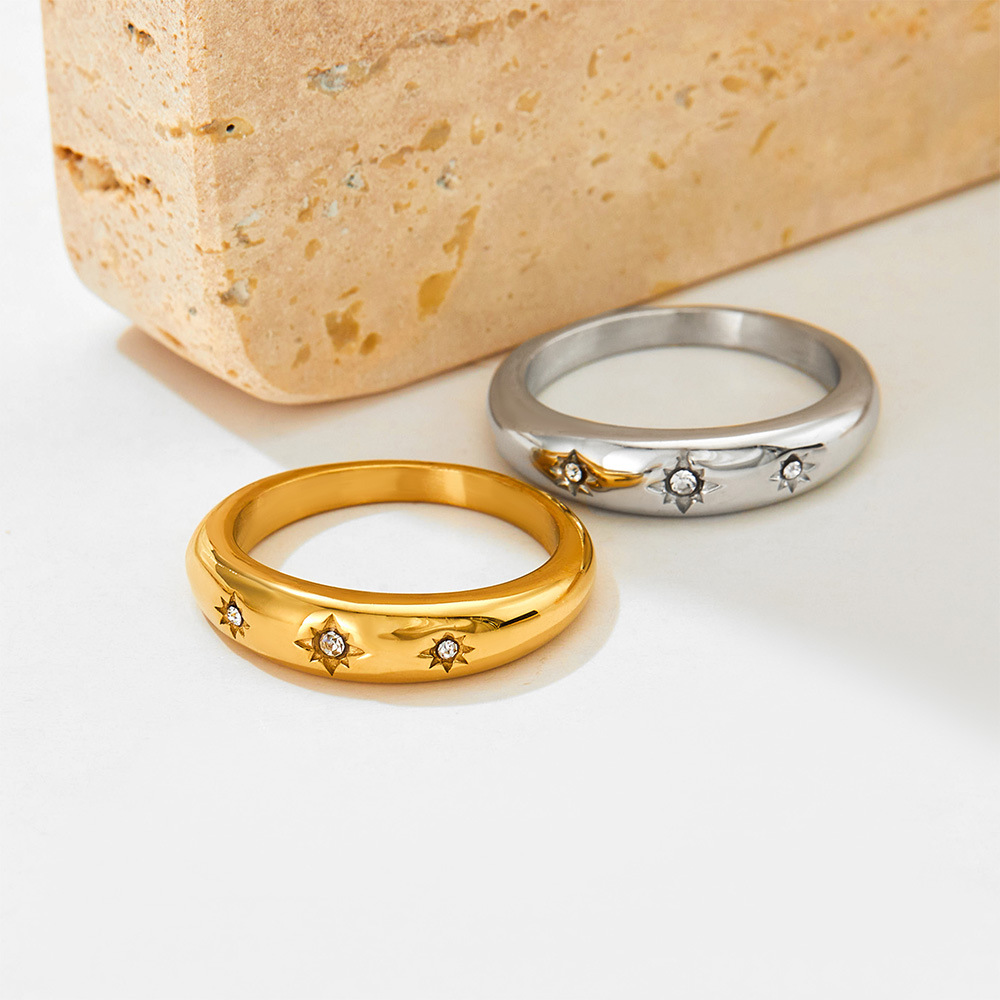
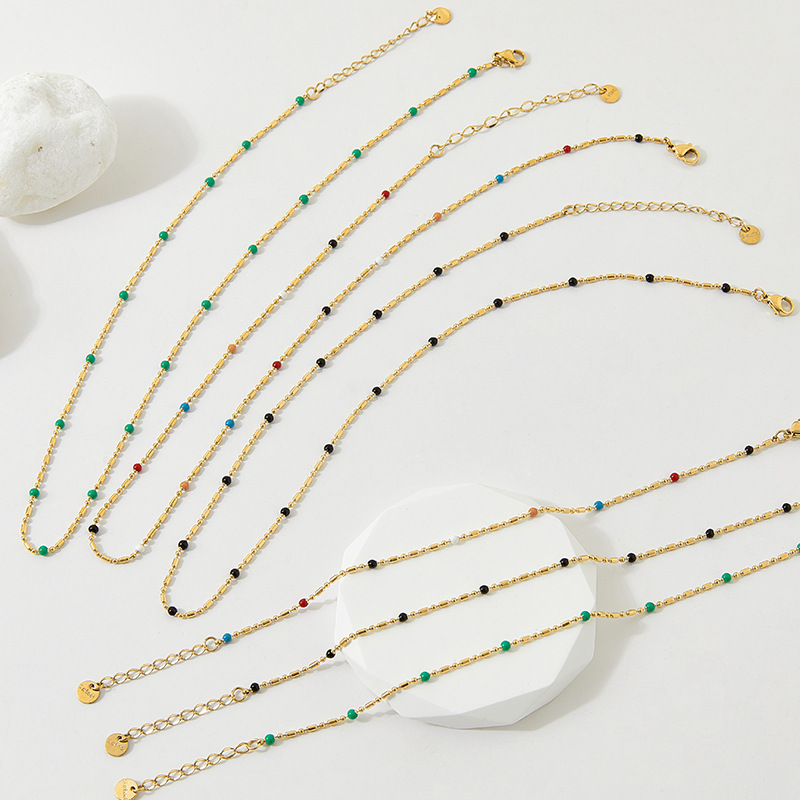
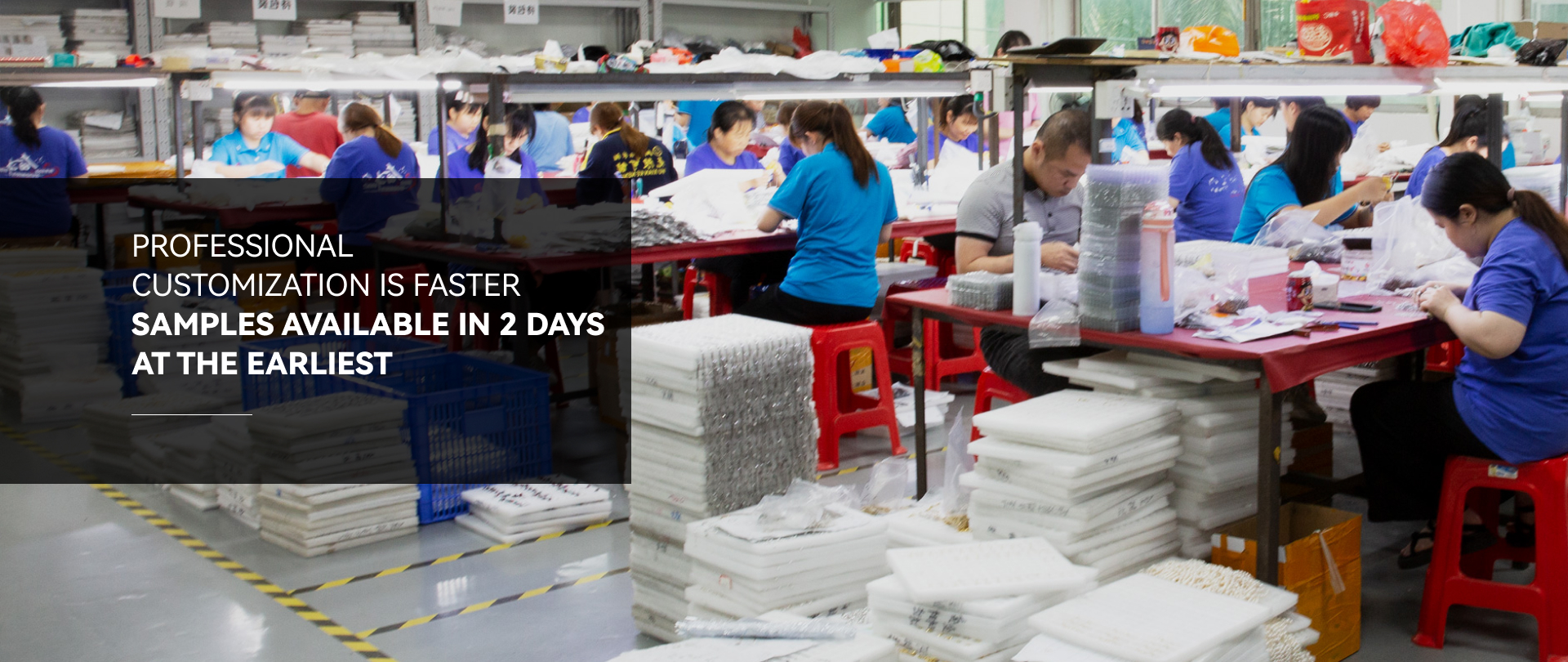

Lonceen has been deeply involved in the international market for more than ten years. It is a jewelry factory with stable scale, rich R&D and production experience and a complete supply chain system.
Get In Touch
Telephone:+86-13427800306
E-mail:taozi@lonceen.net
Factory Add: Building 3, No.4Huaide Dabei Road, Humen Town,
Dongguan, Guangdong, China
Office Add: Room 3603,Building 18, Dongjiang Star,Hongfu West Road,
Dongguan,Guangdong, China

Copyright © 2024 Dongguan Langcheng Jewelry Co., Ltd.
