

What are the different types of diamonds used in jewelry?
Time: 2024-05-16 10:32:04
Author: Lonceen
- Natural Diamonds: Natural diamonds are crystals formed under high temperature and pressure conditions within the Earth's mantle. They are minerals found in nature and are renowned for their hardness and brilliant sparkle. Natural diamonds are evaluated and categorized based on factors such as color, clarity, cut, and carat weight.
- Synthetic Diamonds: Synthetic diamonds are produced through a laboratory-controlled process and possess similar physical and chemical properties to natural diamonds. Synthetic diamonds are also known as lab-grown diamonds or man-made diamonds. They closely resemble natural diamonds in appearance and performance but are typically priced lower.
- Treated Diamonds: Some natural diamonds may undergo various treatments to enhance their color, clarity, or optical effects. Treatments include high-temperature treatment, filling of fractures, irradiation, etc. These treatments can improve the appearance of the diamond but may affect its value.
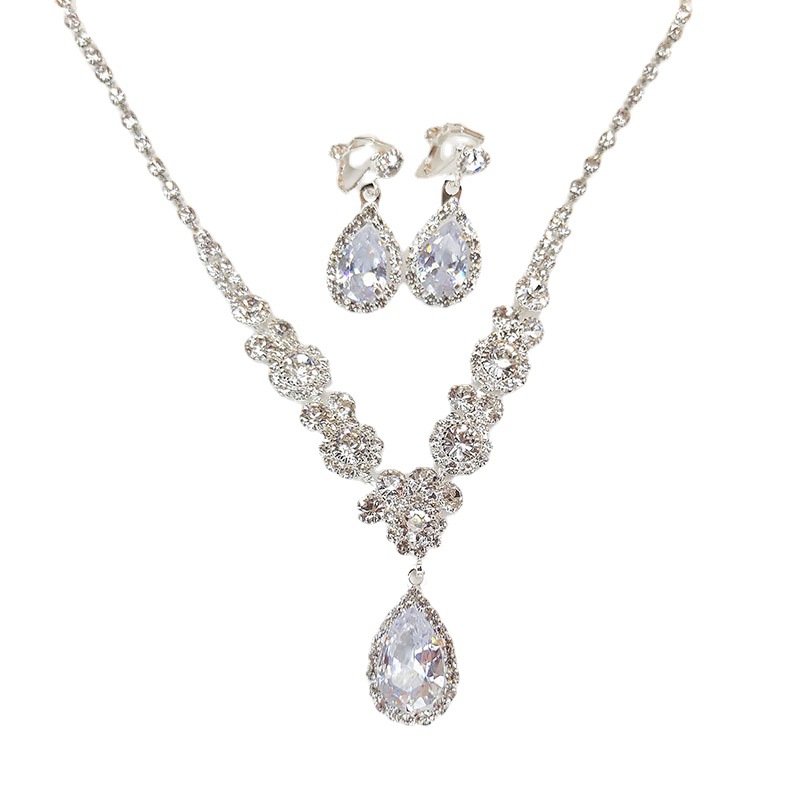
- Diamond Alternatives: Other materials can be used in jewelry to simulate the appearance of diamonds, such as white sapphires, white topaz, cubic zirconia, etc. These materials are typically priced lower but can also provide similar sparkle and appearance to diamonds.
Regardless of the type of diamond or diamond alternative used, it's important to understand their sources and quality when purchasing jewelry to ensure they meet individual needs and budgets. Different types of diamonds vary in appearance, price, durability, etc., so choosing the diamond that best suits your style and requirements is essential.
Related News
-

The Perfect Fusion of Handcraft and Machinery: Exploring Modern Small Jewelry Processing Techniques
-
Jewelry Customization: Start a Journey of Personalized Jewelry
-
Stainless Steel Jewelry Factory: The Beauty Of Craftsmanship
-
Stainless Steel Jewelry Factory: The Charm Of Precise Casting
-
The customization process and technology of stainless steel jewelry
-
The whole process of jewelry factory: from design drawings to to dazzling finished products
-
Choose a high-quality jewelry factory: ensure the best balance between quality and cost
-
The Rise of Custom Jewelry: How Can Jewelry Processing Factories Support Brand Personalization?
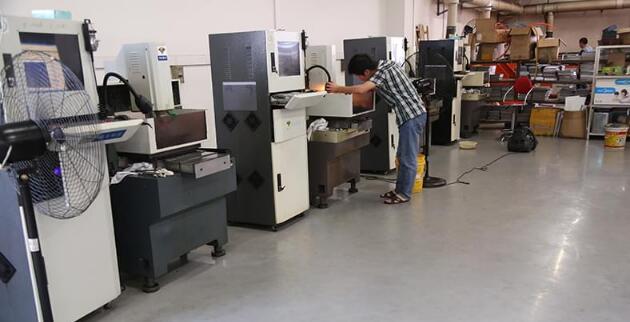
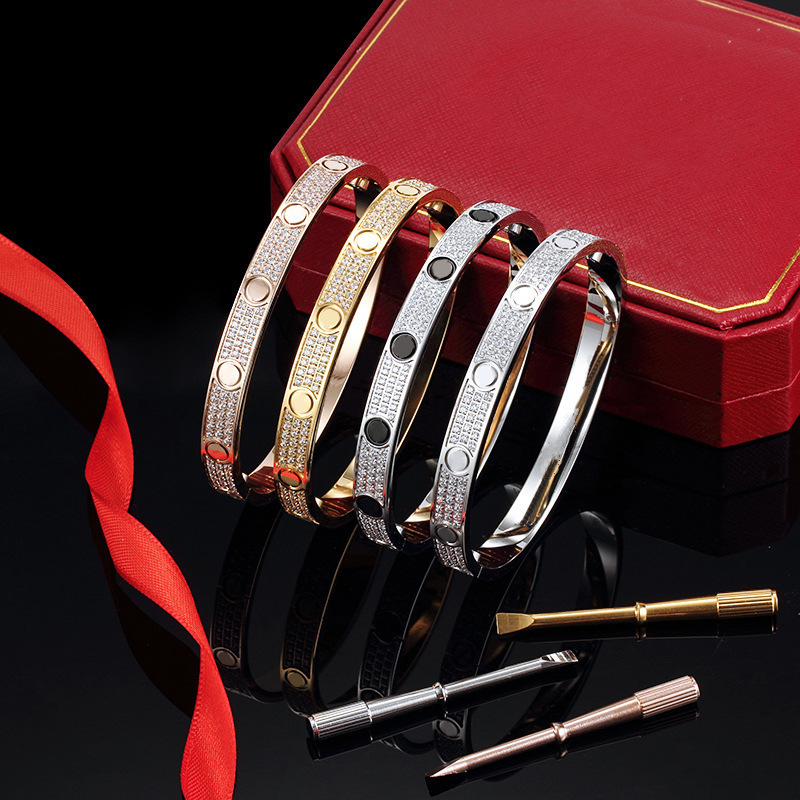
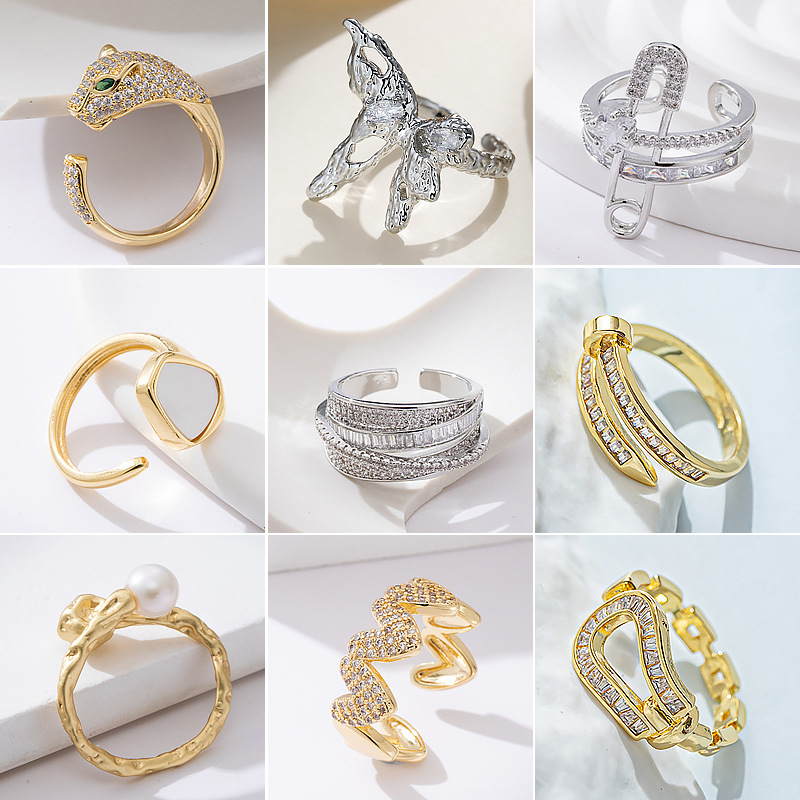
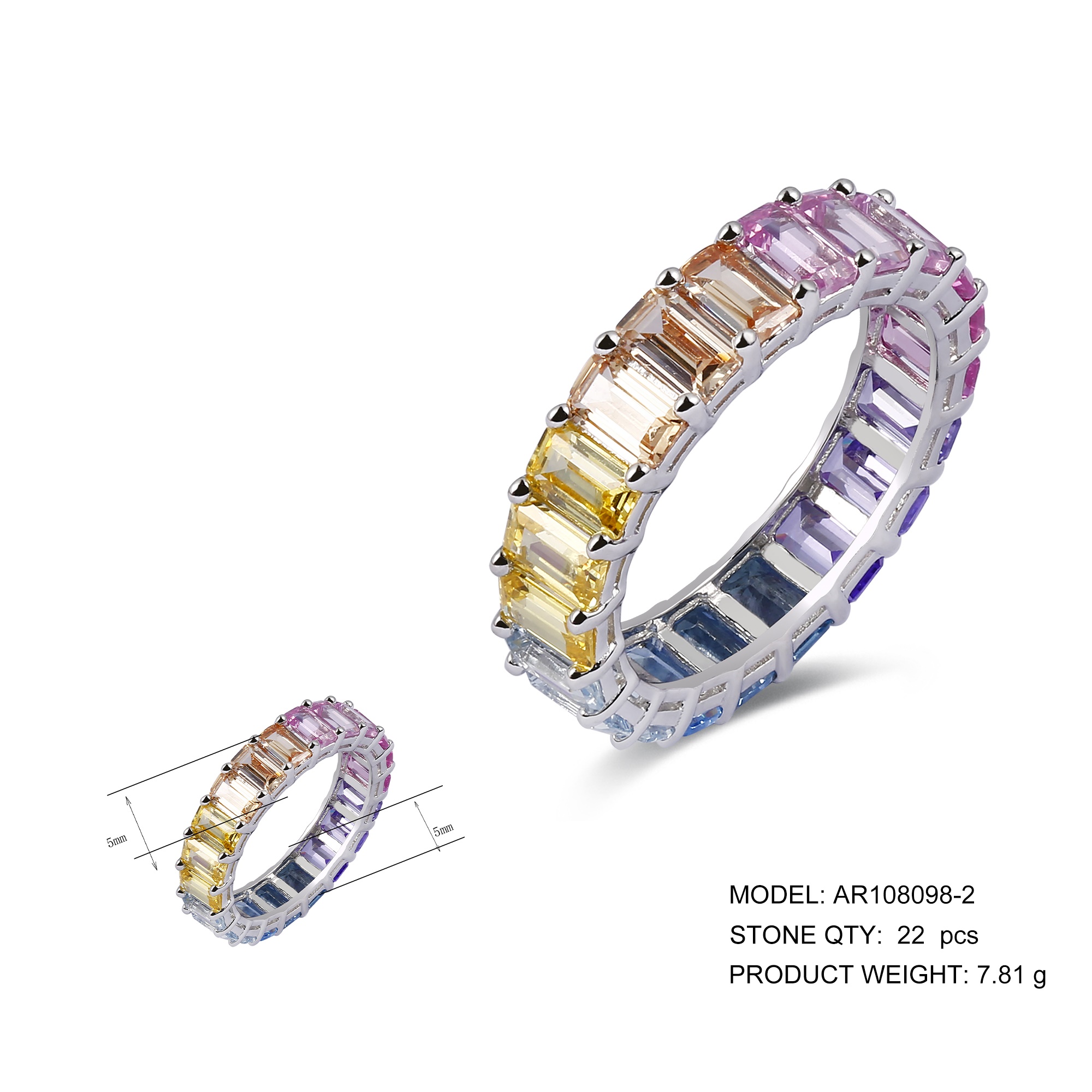
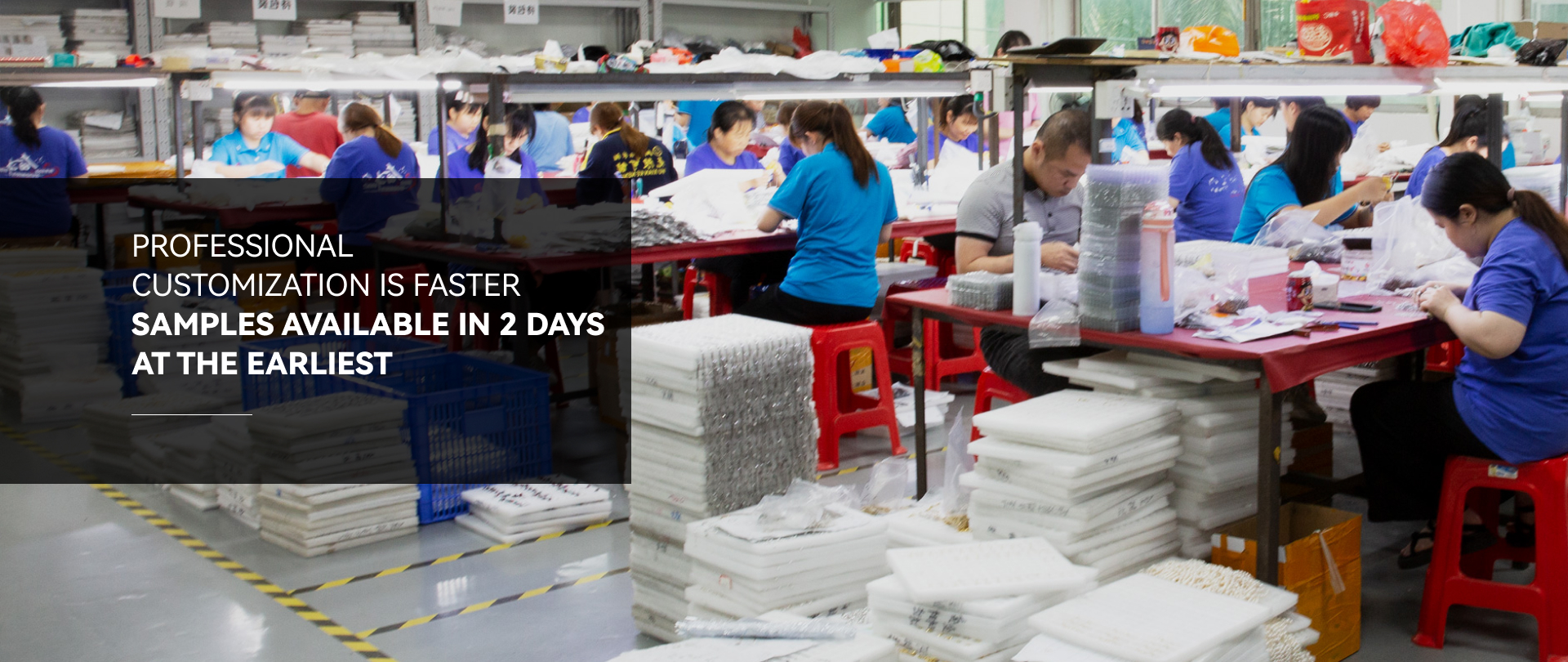

Lonceen has been deeply involved in the international market for more than ten years. It is a jewelry factory with stable scale, rich R&D and production experience and a complete supply chain system.
Get In Touch
Telephone:+86-13427800306
E-mail:taozi@lonceen.net
Factory Add: Building 3, No.4Huaide Dabei Road, Humen Town,
Dongguan, Guangdong, China
Office Add: Room 3603,Building 18, Dongjiang Star,Hongfu West Road,
Dongguan,Guangdong, China

Copyright © 2024 Dongguan Langcheng Jewelry Co., Ltd.
