

What is the process of jewelry plating?
Time: 2024-07-06 10:14:25
Author: Lonceen
The process of jewelry electroplating involves several key steps to ensure a hig
The process of jewelry electroplating involves several key steps to ensure a high-quality finish. Here is the typical electroplating procedure for jewelry:
- Cleaning and Preparation: First, the jewelry to be electroplated needs to be cleaned to remove surface dirt, grease, and oxides. Cleaning can be done using specific cleaning agents or solutions, such as alkaline or acidic cleaners. Ensuring that the jewelry surface is clean, smooth, and free of impurities is crucial for good adhesion of the electroplating layer.
- Pretreatment: After cleaning, the jewelry undergoes pretreatment steps to further prepare the surface. Pretreatment may include degreasing, acid washing, and acidic activation, depending on the jewelry material and the electroplating process requirements. Pretreatment helps remove any residual grease and oxides and improves the adhesion of the electroplating layer.
- Electrolyte Selection: Depending on the desired electroplating effect and material, select the appropriate electrolyte solution. The electrolyte solution contains metal ions such as gold, silver, and copper. Choosing the correct electrolyte is critical for achieving the desired electroplating effect.
- Electroplating: In the electrolyte, the jewelry is placed as the cathode (negative electrode), and the metal anode (positive electrode) is also placed in the electrolyte. Apply the appropriate current to start the electroplating process. Metal ions transfer from the electrolyte to the jewelry surface, depositing through a reduction reaction to form a metal or alloy coating on the surface. The plating time, current density, and other parameters need to be controlled according to specific plating requirements.
- Cleaning and Rinsing: After electroplating, the jewelry needs to be cleaned and rinsed to remove electrolyte residues and any other impurities. This helps maintain the quality and appearance of the plating layer.
- Surface Treatment: If necessary, the plating layer can undergo surface treatment, such as polishing, brushing, acid washing, and electrochemical polishing, to achieve the desired gloss and texture.
- Protective Coating (Optional): If needed, a protective coating can be applied to the plating layer to protect it from oxidation, fading, and scratches.
These are the common process steps for jewelry electroplating. Specific steps and parameters may vary depending on different electroplating requirements, materials, and equipment. In practice, it is essential to strictly follow relevant process specifications and safety measures to ensure the quality and safety of the electroplating process.
Related News
-

The Perfect Fusion of Handcraft and Machinery: Exploring Modern Small Jewelry Processing Techniques
-
Jewelry Customization: Start a Journey of Personalized Jewelry
-
Stainless Steel Jewelry Factory: The Beauty Of Craftsmanship
-
Stainless Steel Jewelry Factory: The Charm Of Precise Casting
-
The customization process and technology of stainless steel jewelry
-
The whole process of jewelry factory: from design drawings to to dazzling finished products
-
Choose a high-quality jewelry factory: ensure the best balance between quality and cost
-
The Rise of Custom Jewelry: How Can Jewelry Processing Factories Support Brand Personalization?
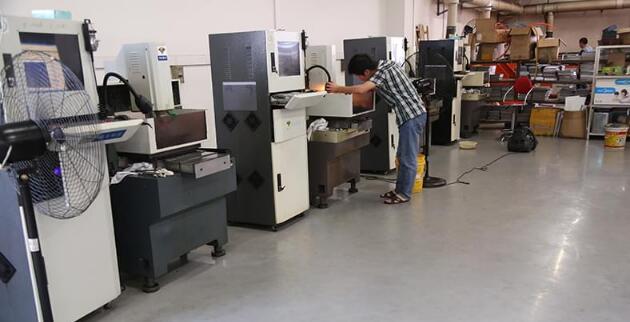
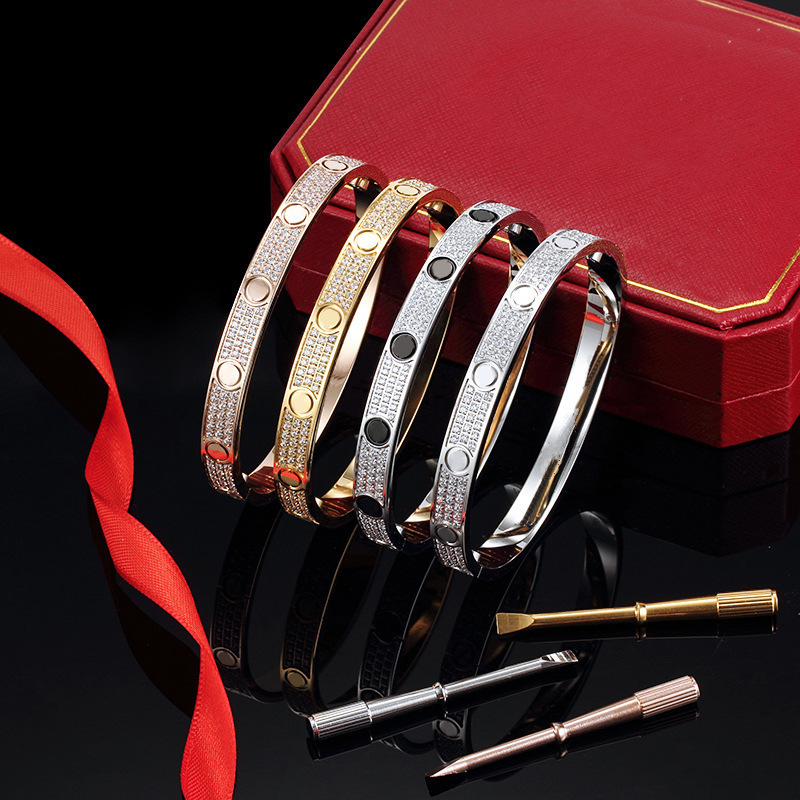
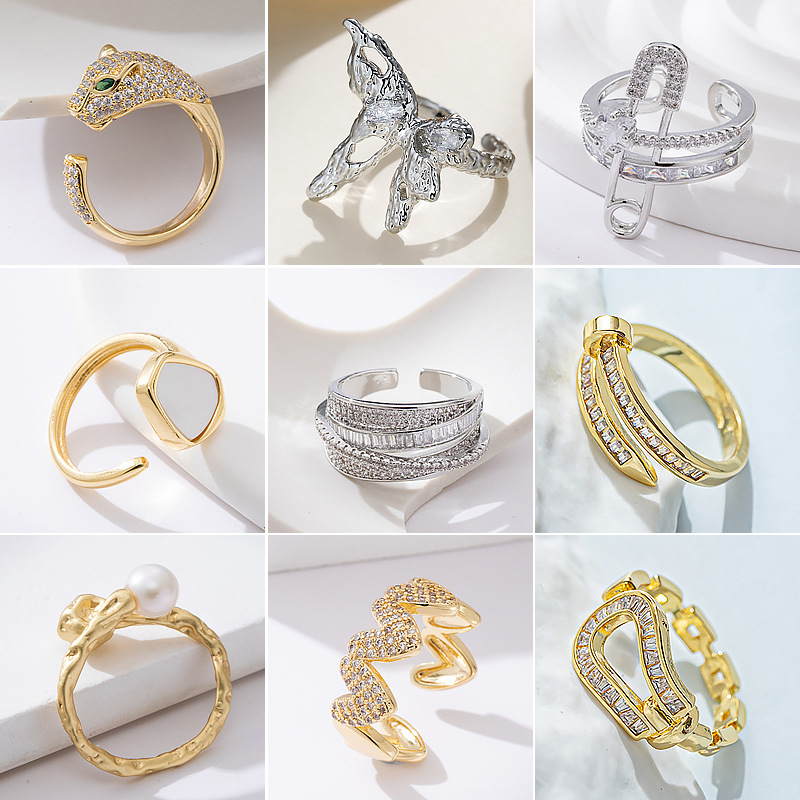
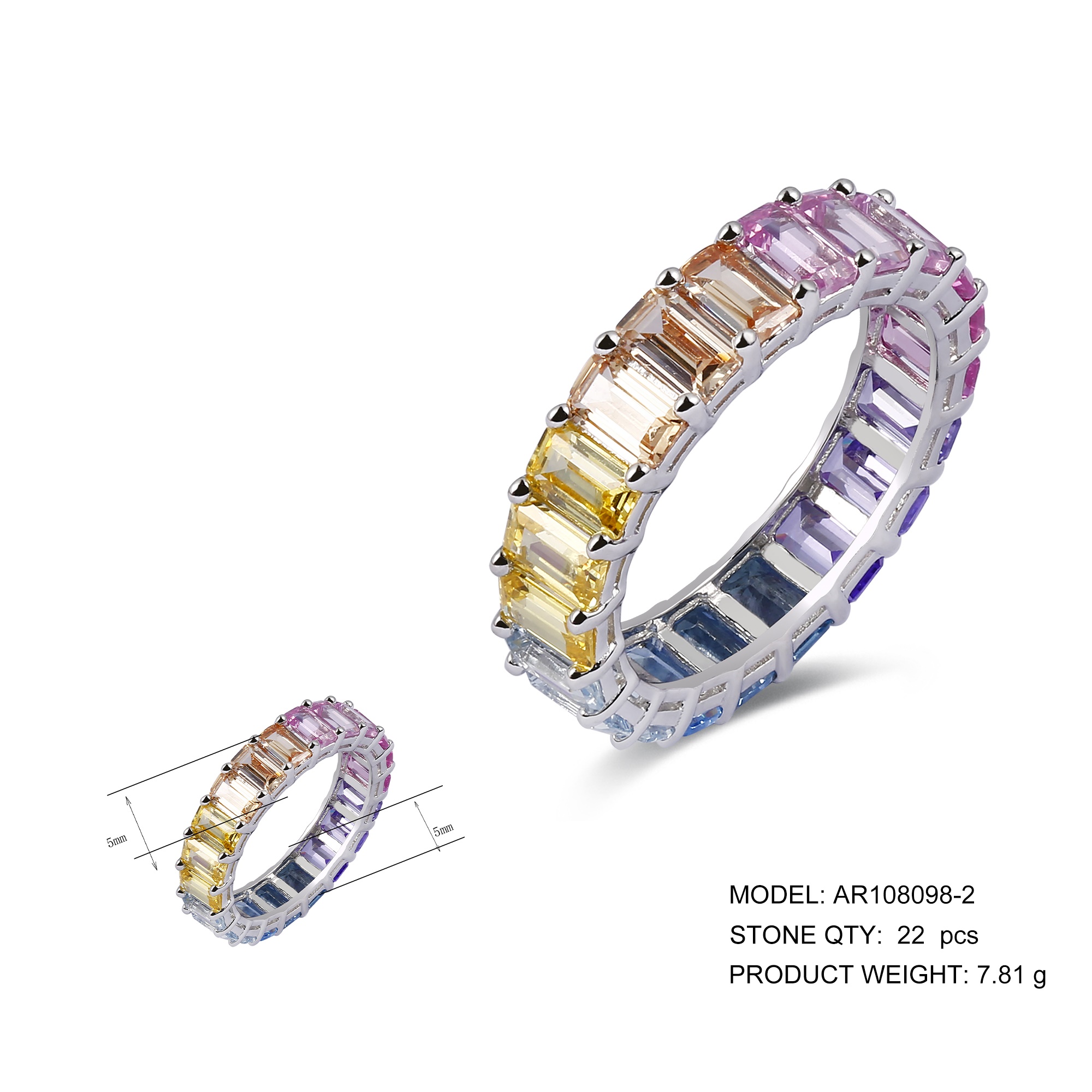
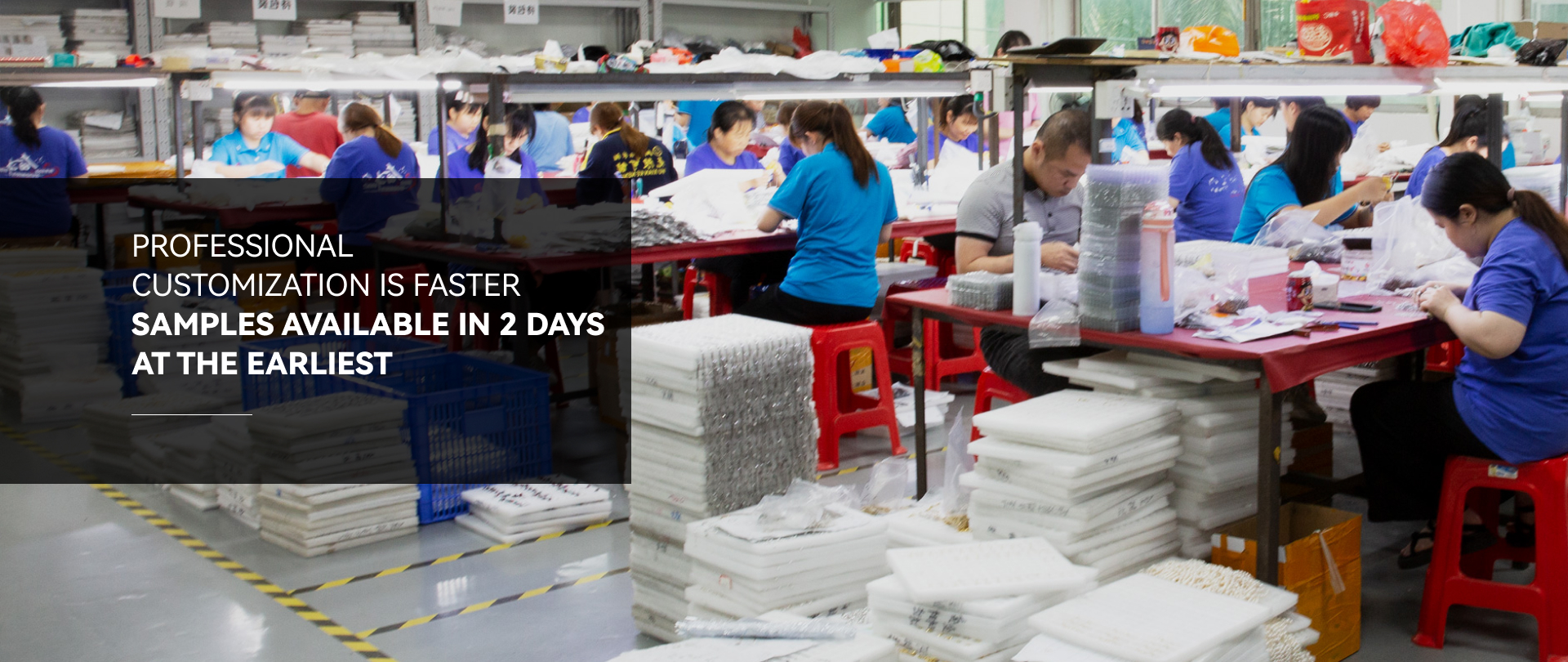

Lonceen has been deeply involved in the international market for more than ten years. It is a jewelry factory with stable scale, rich R&D and production experience and a complete supply chain system.
Get In Touch
Telephone:+86-13427800306
E-mail:taozi@lonceen.net
Factory Add: Building 3, No.4Huaide Dabei Road, Humen Town,
Dongguan, Guangdong, China
Office Add: Room 3603,Building 18, Dongjiang Star,Hongfu West Road,
Dongguan,Guangdong, China

Copyright © 2024 Dongguan Langcheng Jewelry Co., Ltd.
