

The Production Processes of Silver Jewellery
Time: 2024-07-06 10:20:35
Author: Lonceen
The typical process of silver jewelry manufacturing generally includes the follo
The typical process of silver jewelry manufacturing generally includes the following steps:
- Design and Mold Making: First, the desired shape of the silver jewelry is designed, and then a corresponding mold is created based on the design drawings.
- Material Preparation: Prepare the required silver material, usually using high-purity 925 silver, to ensure the quality and purity of the silver jewelry.
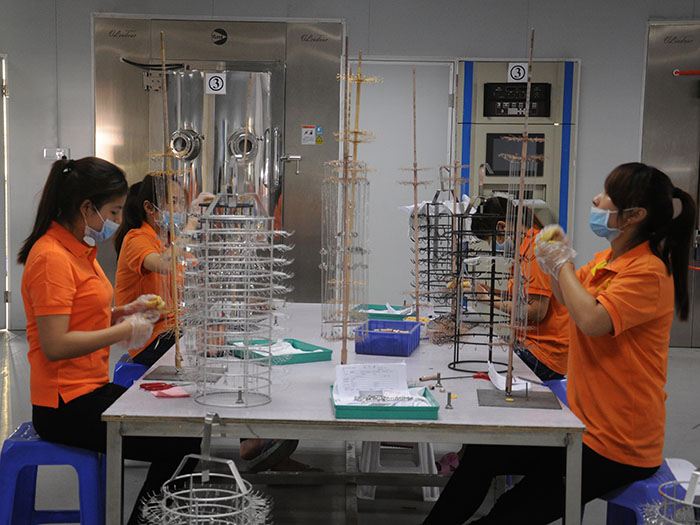
- Casting: The silver material is melted in a furnace and then poured into the prepared mold, allowing it to solidify into shape.
- Polishing and Grinding: After removing the silver jewelry from the mold, it is polished and ground to make the surface smoother and more even.
- Setting and Processing: If gemstones or other materials need to be set, corresponding processing is carried out. This may include cutting, drilling, and adhesive processes.
- Surface Treatment: For some special silver jewelry, surface treatment such as gold plating, silver plating, or anti-oxidation treatment is needed.
- Inspection and Packaging: Finally, the silver jewelry is inspected to ensure its quality and integrity, and then packaged for sale or transportation.
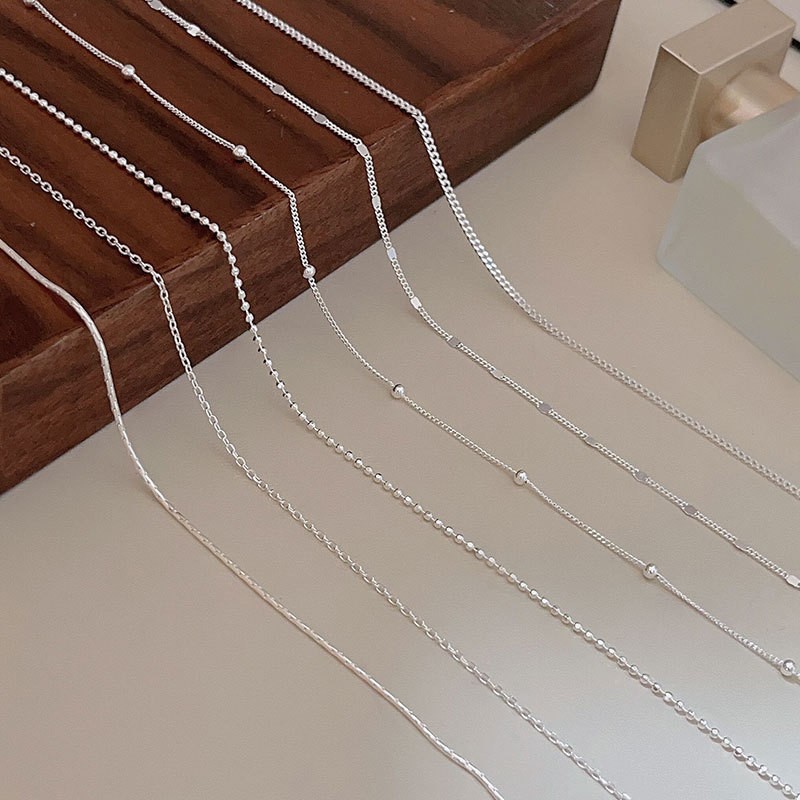
These are the general steps in the processing of silver jewelry. The specific manufacturing process may vary depending on the type and processing requirements of the silver jewelry.
Related News
-

The Perfect Fusion of Handcraft and Machinery: Exploring Modern Small Jewelry Processing Techniques
-
Jewelry Customization: Start a Journey of Personalized Jewelry
-
Stainless Steel Jewelry Factory: The Beauty Of Craftsmanship
-
Stainless Steel Jewelry Factory: The Charm Of Precise Casting
-
The customization process and technology of stainless steel jewelry
-
The whole process of jewelry factory: from design drawings to to dazzling finished products
-
Choose a high-quality jewelry factory: ensure the best balance between quality and cost
-
The Rise of Custom Jewelry: How Can Jewelry Processing Factories Support Brand Personalization?
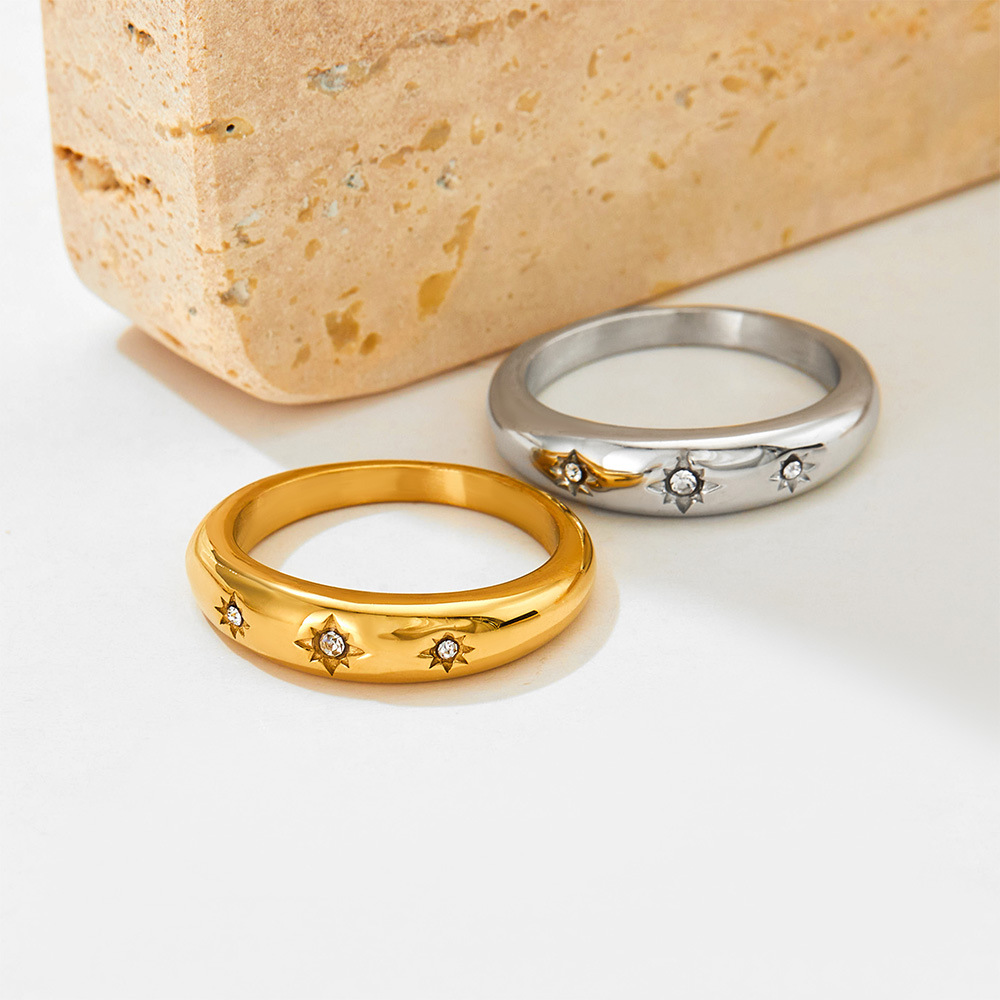
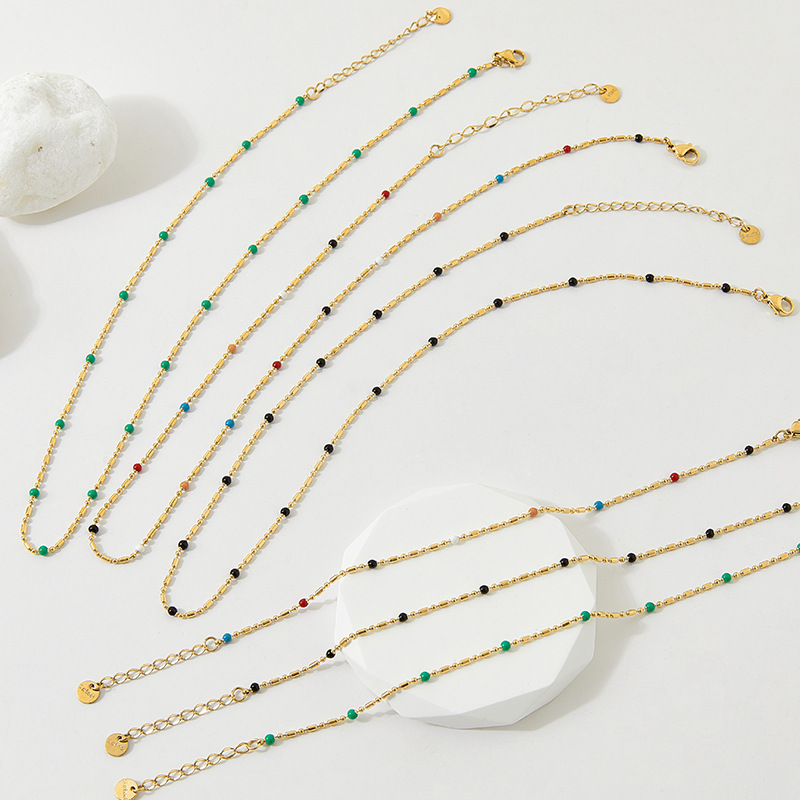
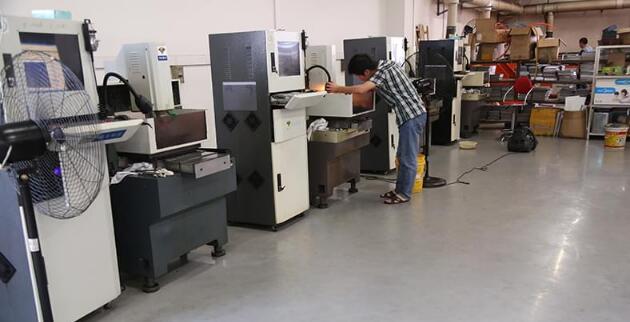
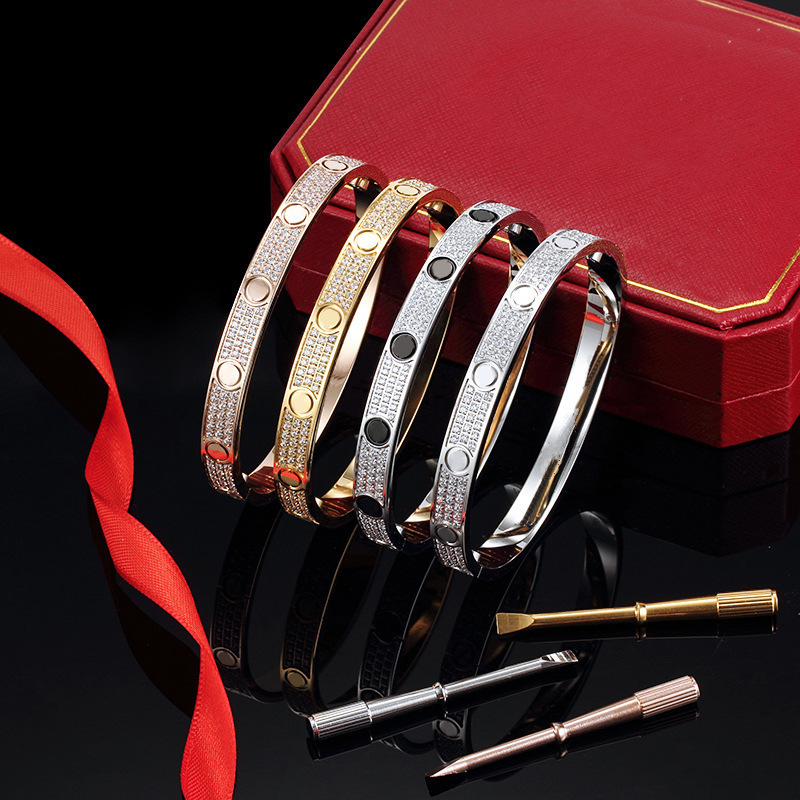
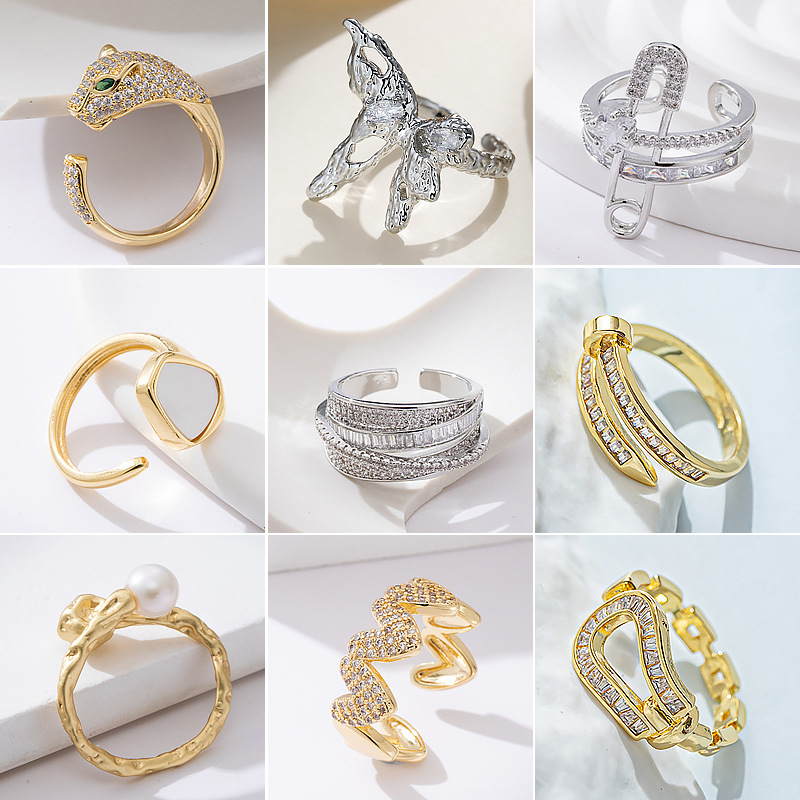
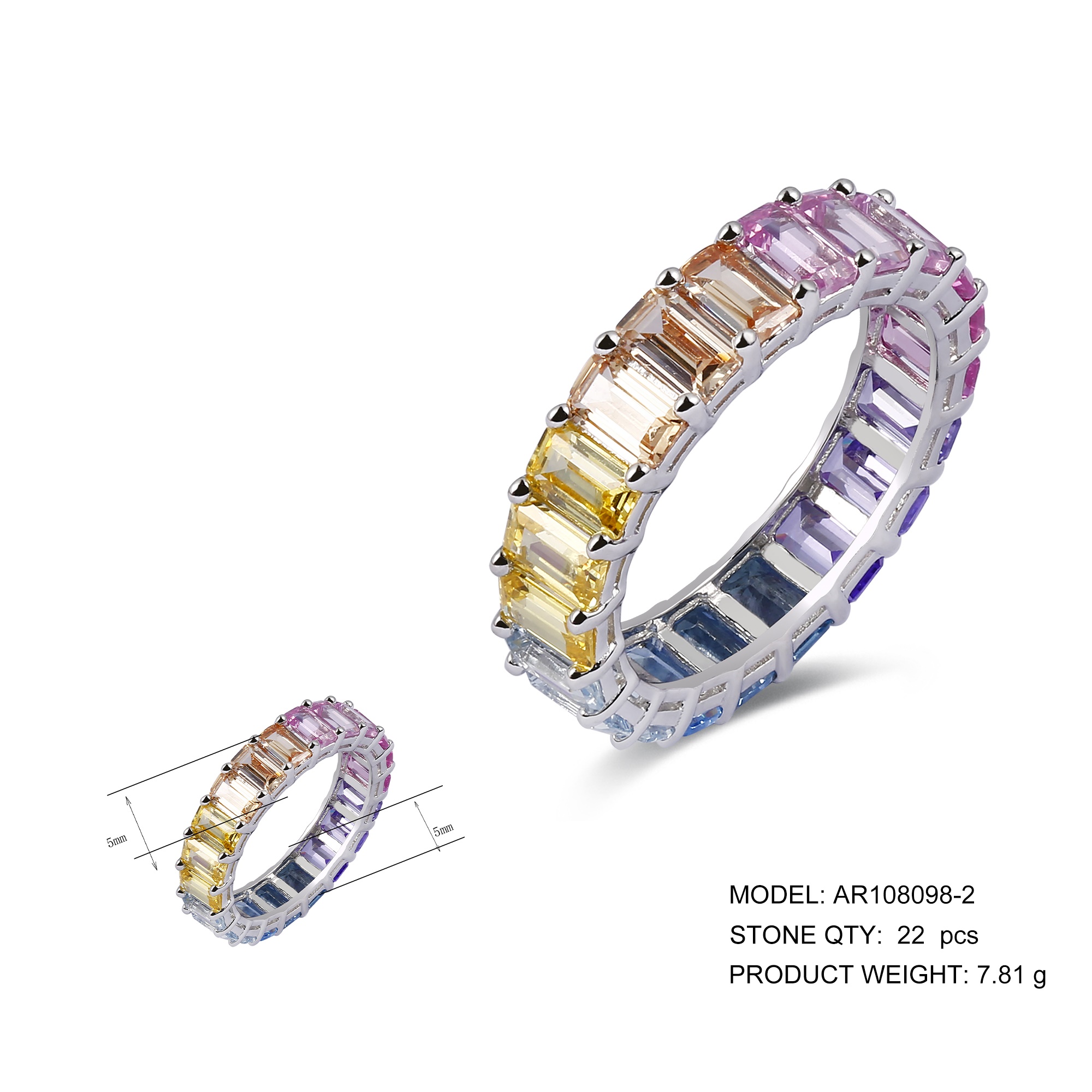
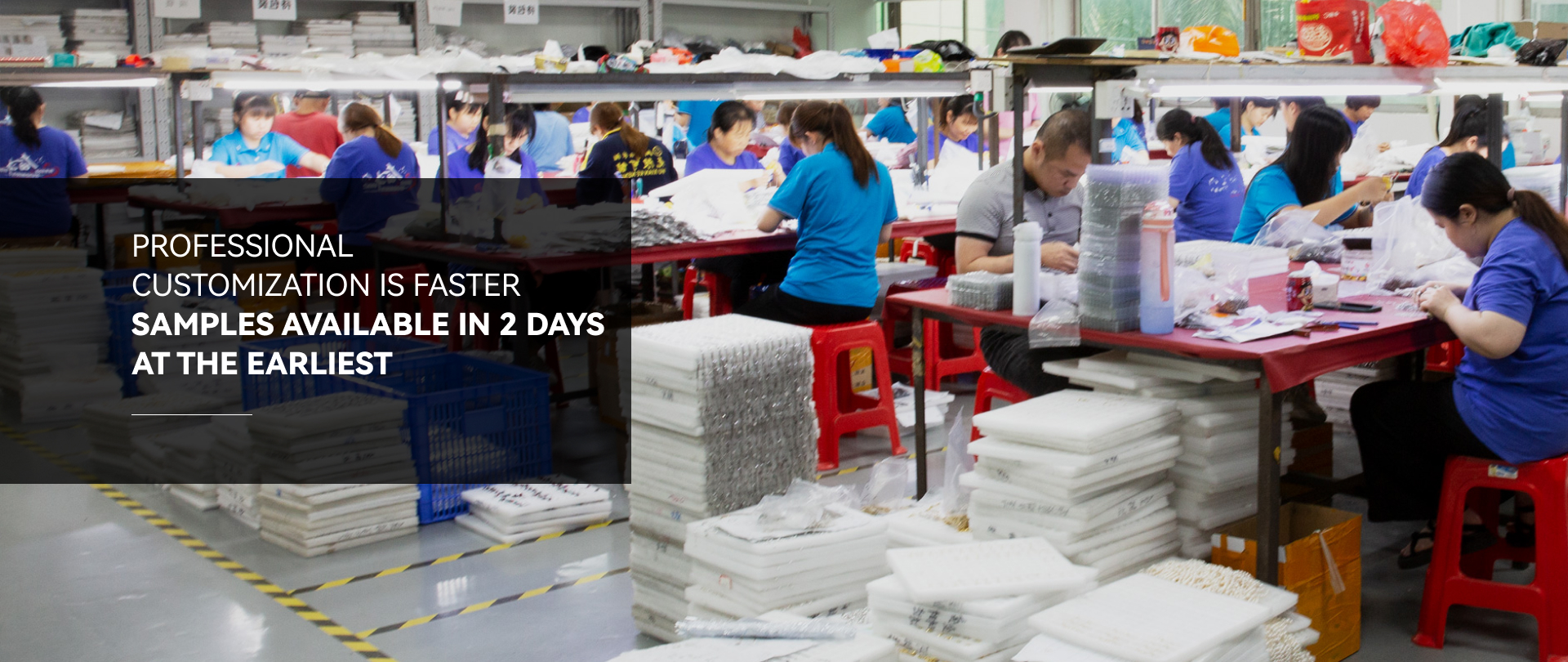

Lonceen has been deeply involved in the international market for more than ten years. It is a jewelry factory with stable scale, rich R&D and production experience and a complete supply chain system.
Get In Touch
Telephone:+86-13427800306
E-mail:taozi@lonceen.net
Factory Add: Building 3, No.4Huaide Dabei Road, Humen Town,
Dongguan, Guangdong, China
Office Add: Room 3603,Building 18, Dongjiang Star,Hongfu West Road,
Dongguan,Guangdong, China

Copyright © 2024 Dongguan Langcheng Jewelry Co., Ltd.
