

What are the custom ways of jewelry processing?
Time: 2024-07-26 17:06:59
Author: Lonceen
Currently, many jewelry factories focus on customization, processing and wholesale of jewelry. The main custom processing methods can be divided into 8 categories:
- Casting:Casting involves creating a mold of the jewelry design and then pouring molten metal into the mold to form the desired shape. This method is suitable for producing complex designs and can be used with various metals, including gold, silver, and stainless steel. It is widely used for mass production as well as for custom pieces.
- CNC Machining:CNC (Computer Numerical Control) machining uses computerized tools to precisely cut and shape metal into the desired jewelry design. This technique allows for high precision and is ideal for creating intricate details and patterns. It is commonly used for making rings, bracelets, and other detailed pieces.
- Hand Fabrication:Hand fabrication involves skilled artisans manually crafting jewelry pieces using traditional tools and techniques. This method is often used for custom, one-of-a-kind pieces or for high-end jewelry that requires exceptional craftsmanship. Each piece is meticulously made, ensuring uniqueness and quality.
- Laser Cutting and Engraving:Laser cutting and engraving use high-powered lasers to cut through metal sheets and engrave designs onto the jewelry surface. This technique allows for precise and detailed designs and is often used for personalized jewelry, such as nameplates and intricate pendants.
- 3D Printing:3D printing technology has revolutionized custom jewelry manufacturing by allowing designers to create complex and unique pieces with high precision. Jewelry designs are created digitally and then printed using materials such as wax or resin. The printed model can be used to create molds for casting or can be finished directly for certain types of jewelry.
- Electroforming:Electroforming is a process where a metal object is formed by electrically depositing metal onto a mold or core. This technique allows for the creation of lightweight, hollow jewelry pieces with intricate details. It is often used for making large, bold pieces that would be too heavy if made from solid metal.
- Stone Setting:Stone setting involves placing and securing gemstones into the jewelry piece. Various setting techniques, such as prong setting, bezel setting, and pave setting, are used depending on the design and type of gemstone. Skilled artisans ensure that the stones are securely set and enhance the overall appearance of the jewelry.
- Enameling:Enameling is the process of fusing powdered glass to a metal surface to create colorful and decorative designs. This technique adds a vibrant and unique touch to jewelry and is often used in custom pieces to achieve specific color schemes and artistic effects.
Each of these custom jewelry manufacturing methods offers distinct advantages and can be chosen based on the design requirements, desired finish, and budget for the jewelry piece. 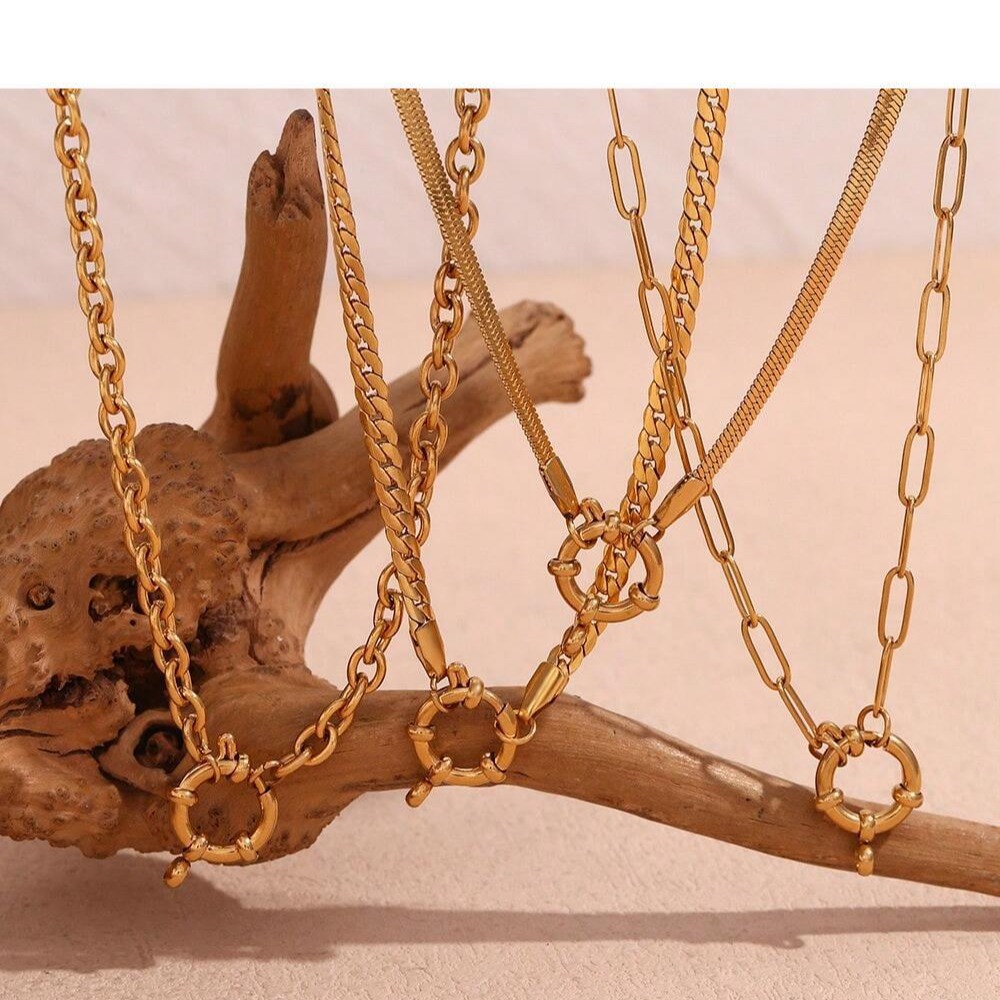
Related News
-

The Perfect Fusion of Handcraft and Machinery: Exploring Modern Small Jewelry Processing Techniques
-
Jewelry Customization: Start a Journey of Personalized Jewelry
-
Stainless Steel Jewelry Factory: The Beauty Of Craftsmanship
-
Stainless Steel Jewelry Factory: The Charm Of Precise Casting
-
The customization process and technology of stainless steel jewelry
-
The whole process of jewelry factory: from design drawings to to dazzling finished products
-
Choose a high-quality jewelry factory: ensure the best balance between quality and cost
-
The Rise of Custom Jewelry: How Can Jewelry Processing Factories Support Brand Personalization?
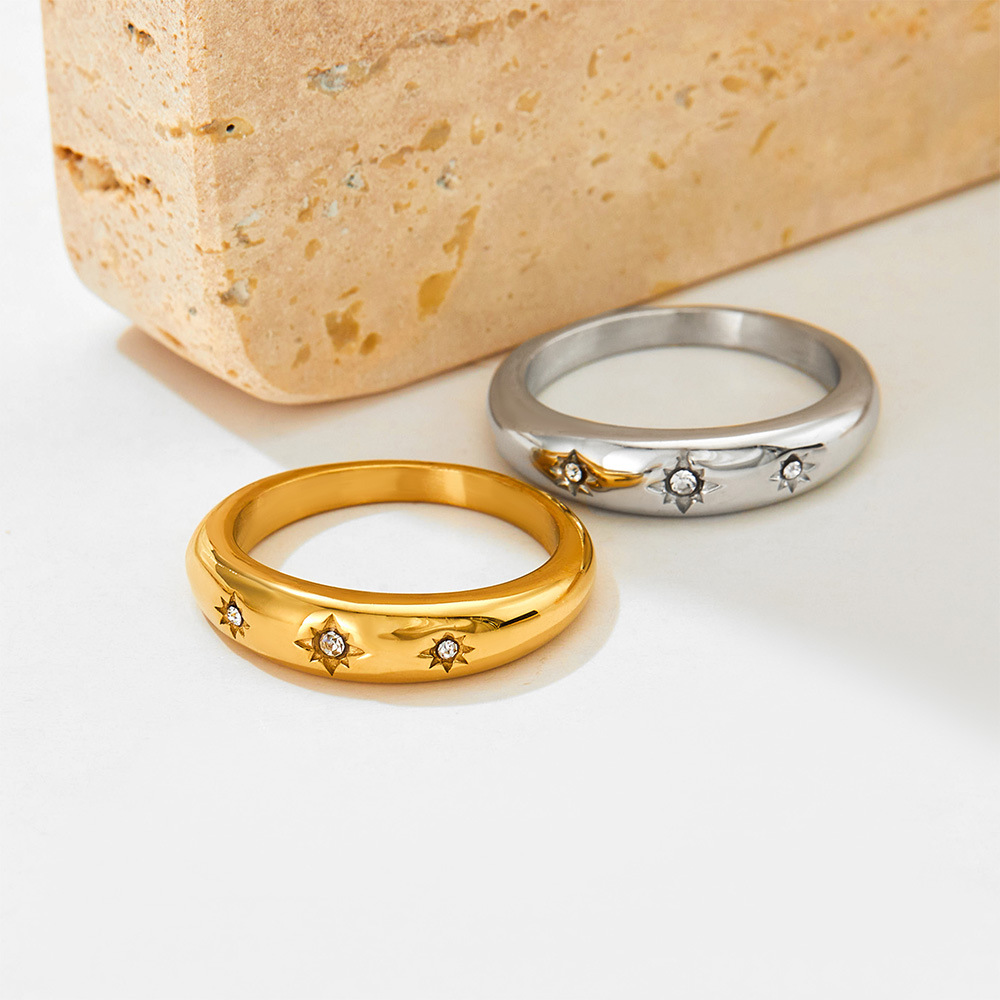
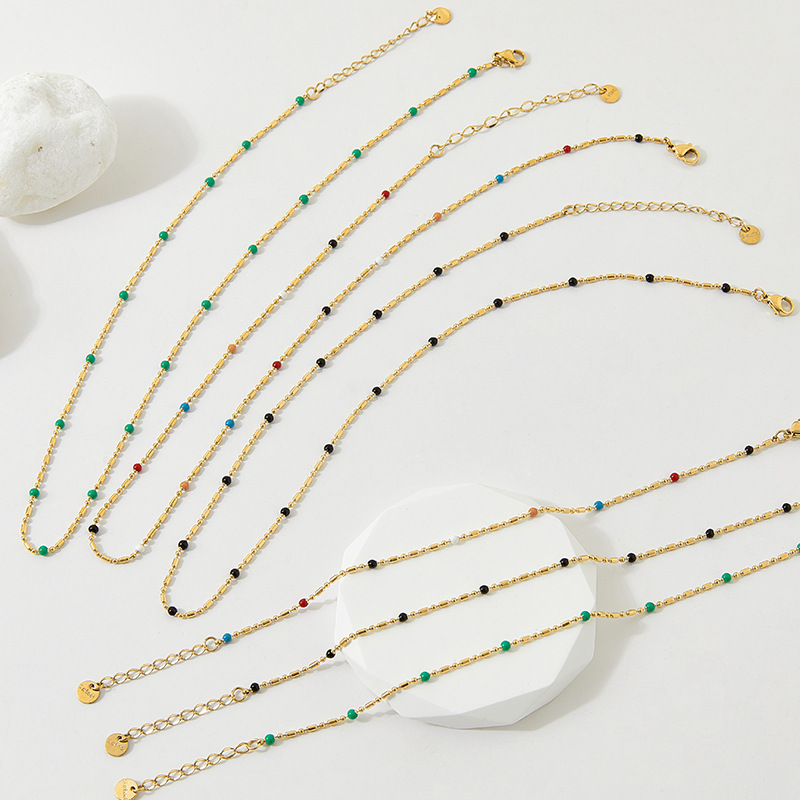
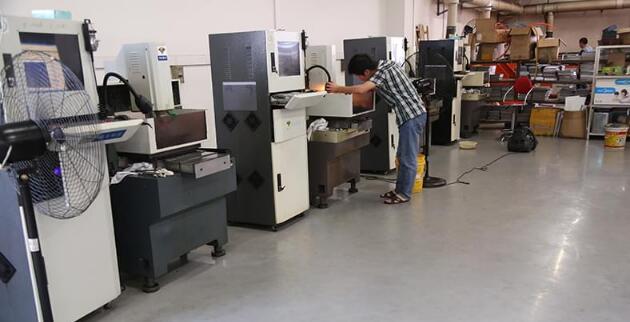
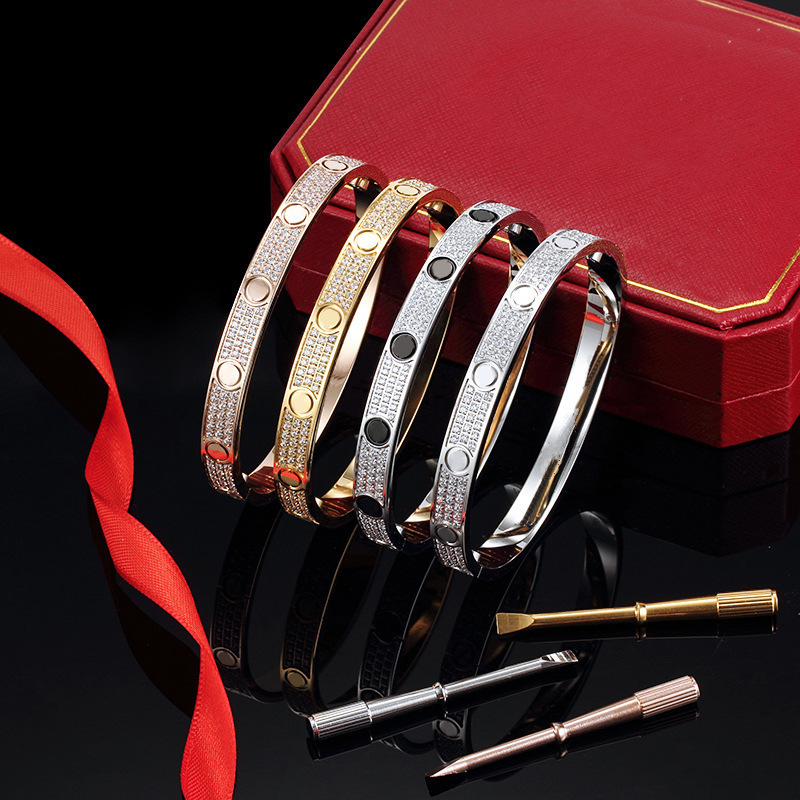
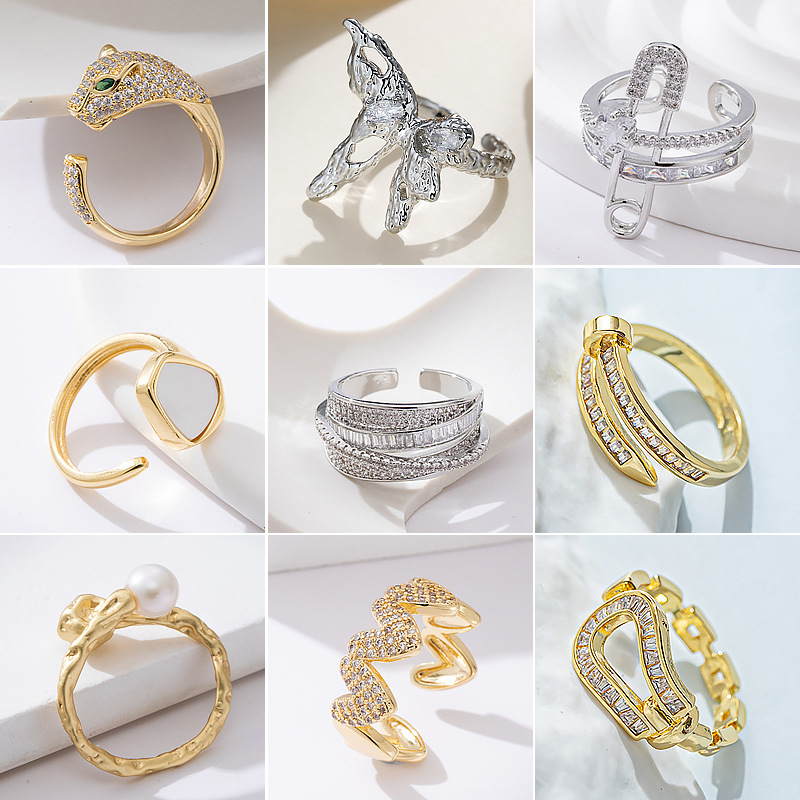
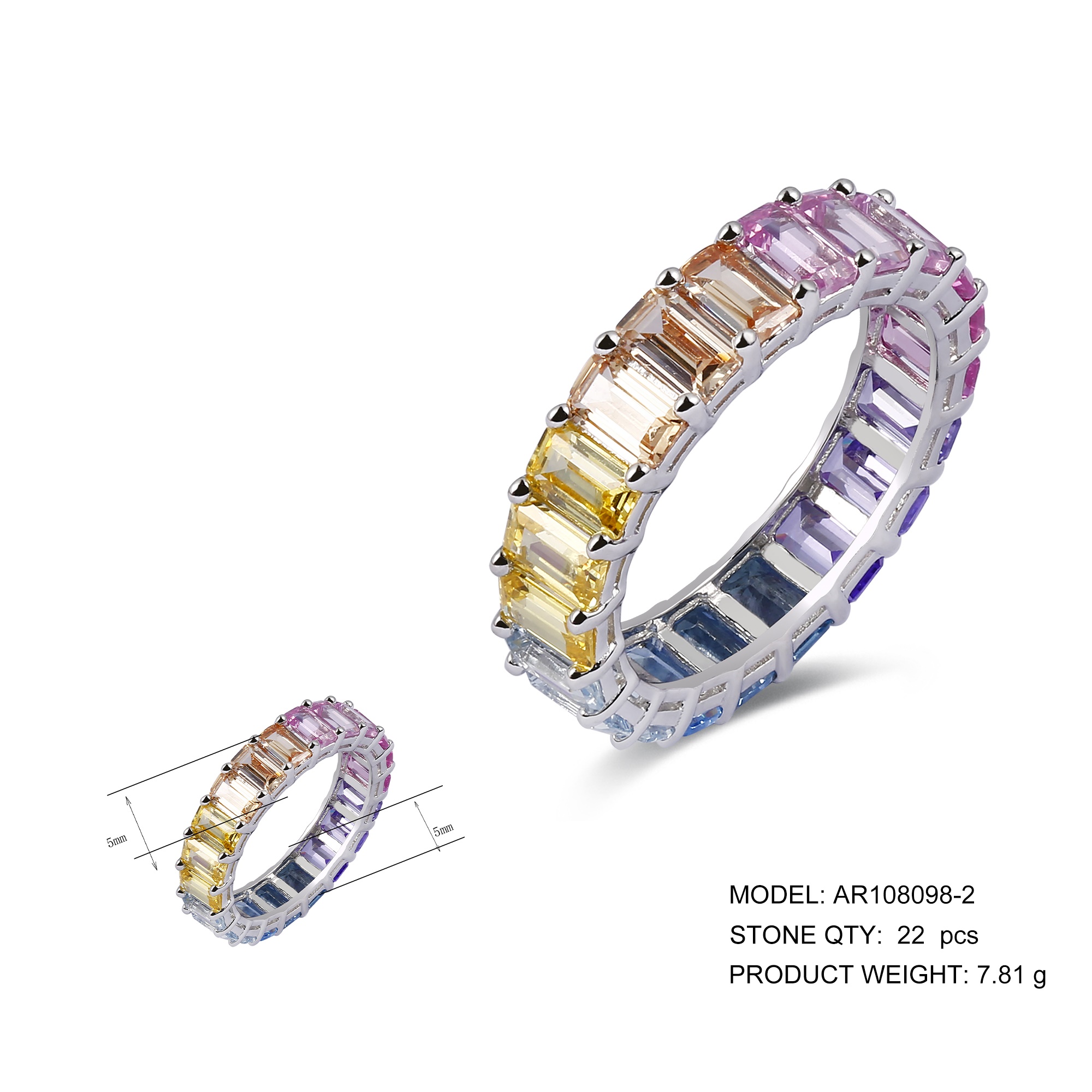
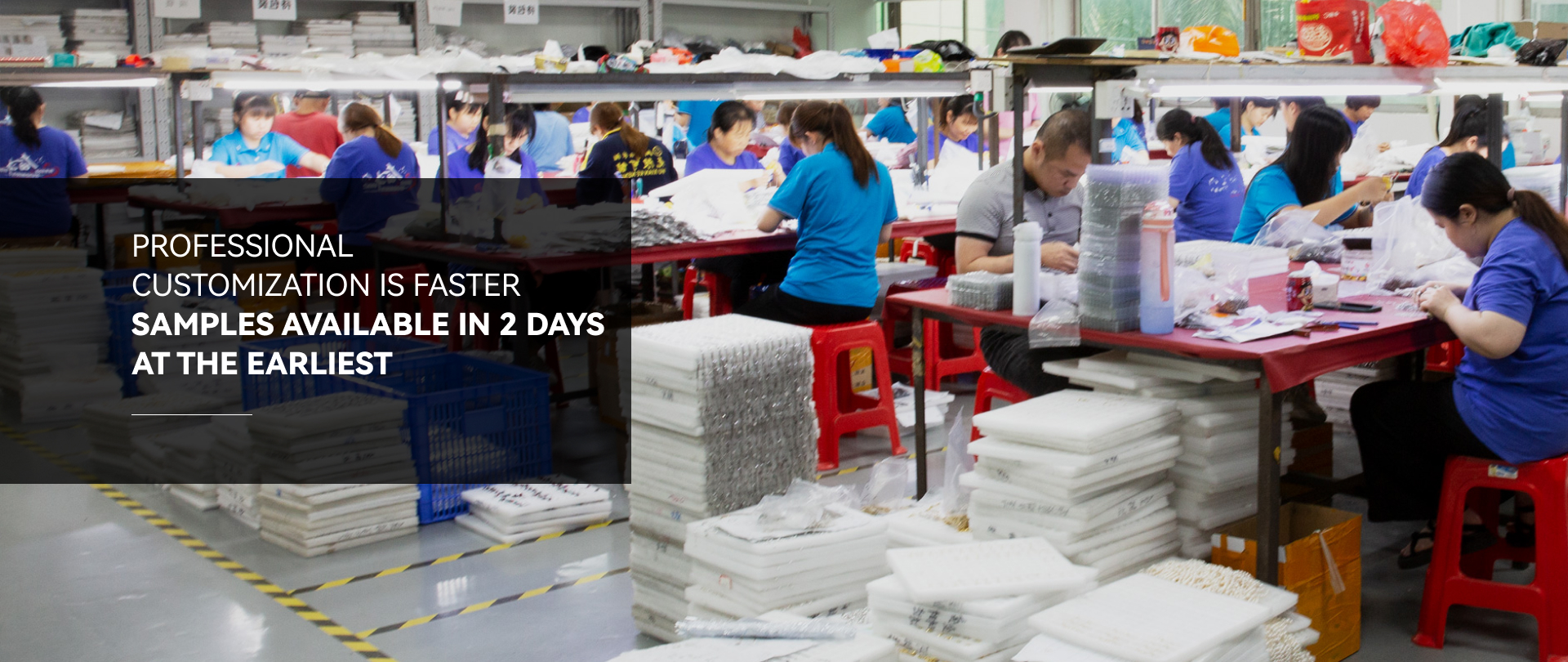

Lonceen has been deeply involved in the international market for more than ten years. It is a jewelry factory with stable scale, rich R&D and production experience and a complete supply chain system.
Get In Touch
Telephone:+86-13427800306
E-mail:taozi@lonceen.net
Factory Add: Building 3, No.4Huaide Dabei Road, Humen Town,
Dongguan, Guangdong, China
Office Add: Room 3603,Building 18, Dongjiang Star,Hongfu West Road,
Dongguan,Guangdong, China

Copyright © 2024 Dongguan Langcheng Jewelry Co., Ltd.
